

Welcome to Moldova

A small country with a bold heart - where tradition, innovation, and resilience shape a shared future.

Key facts about Moldova

EU Candidate

Since July 2022, EU candidate member.

Get there

1 - 4 hour flight from the EU.

Population

2.89 million – a young, multilingual, and ambitious society.

Government type

Parliamentary Republic.

Area

33,843 km² including the Transnistrian region.

Capital

Chișinău – cultural, political, and innovation center of Moldova.

Official language

Romanian – also spoken: Bulgarian, Gagauz, Russian, Ukrainian.

GDP total

$18.2 billion – a growing economy driven by reform and trade.

Time zone

(GMT+2) – aligned with most Eastern European countries.

Currency

Moldovan Leu – stable and easily convertible in the region.

Building the friendliest digital state

With over 75% of business services (G2B) and 50% of citizen services (G2C) available online.

3rd

In the world by gigabit coverage – over 90% of Moldovans can access gigabit-speed internet.

200+

Public services digitalized, making governance more transparent and accessible.

7% of GDP

ICT sector one of the fastest-growing industries with 30,000+ employees.

EU integration

Moldova included in EU roaming area and EU cybersecurity initiatives.

Dynamic tech ecosystem

Home to digital leaders like Endava and Simpals and a vibrant startup scene.

Things that make us Unique

Step closer and explore the surprising details that shape Moldova’s identity, revealing the character of a nation both timeless and full of unexpected stories.
Wine Festival

Wine Festival

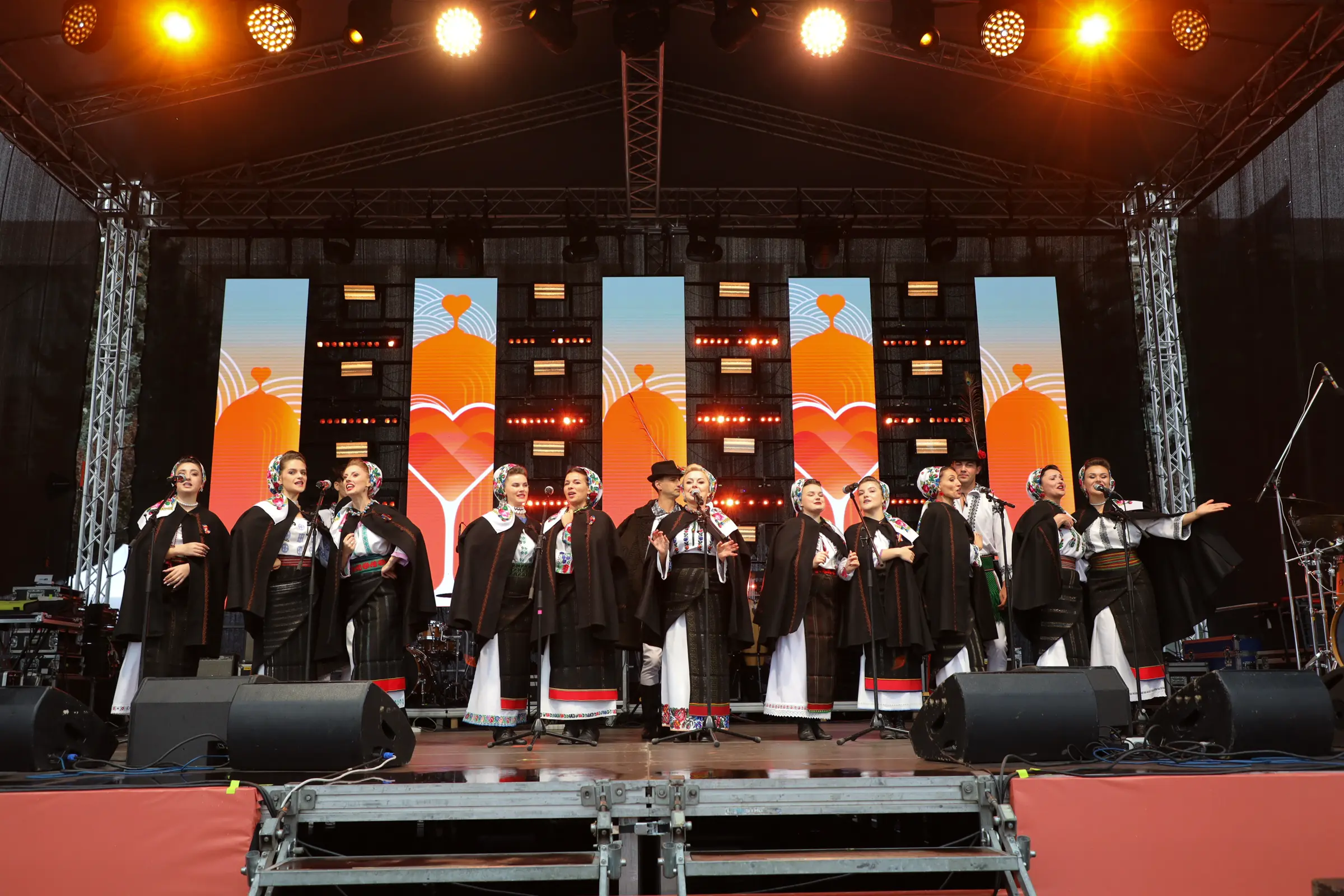
The only country in the world with a festival dedicated to wine.
01
Archeology

Archeology

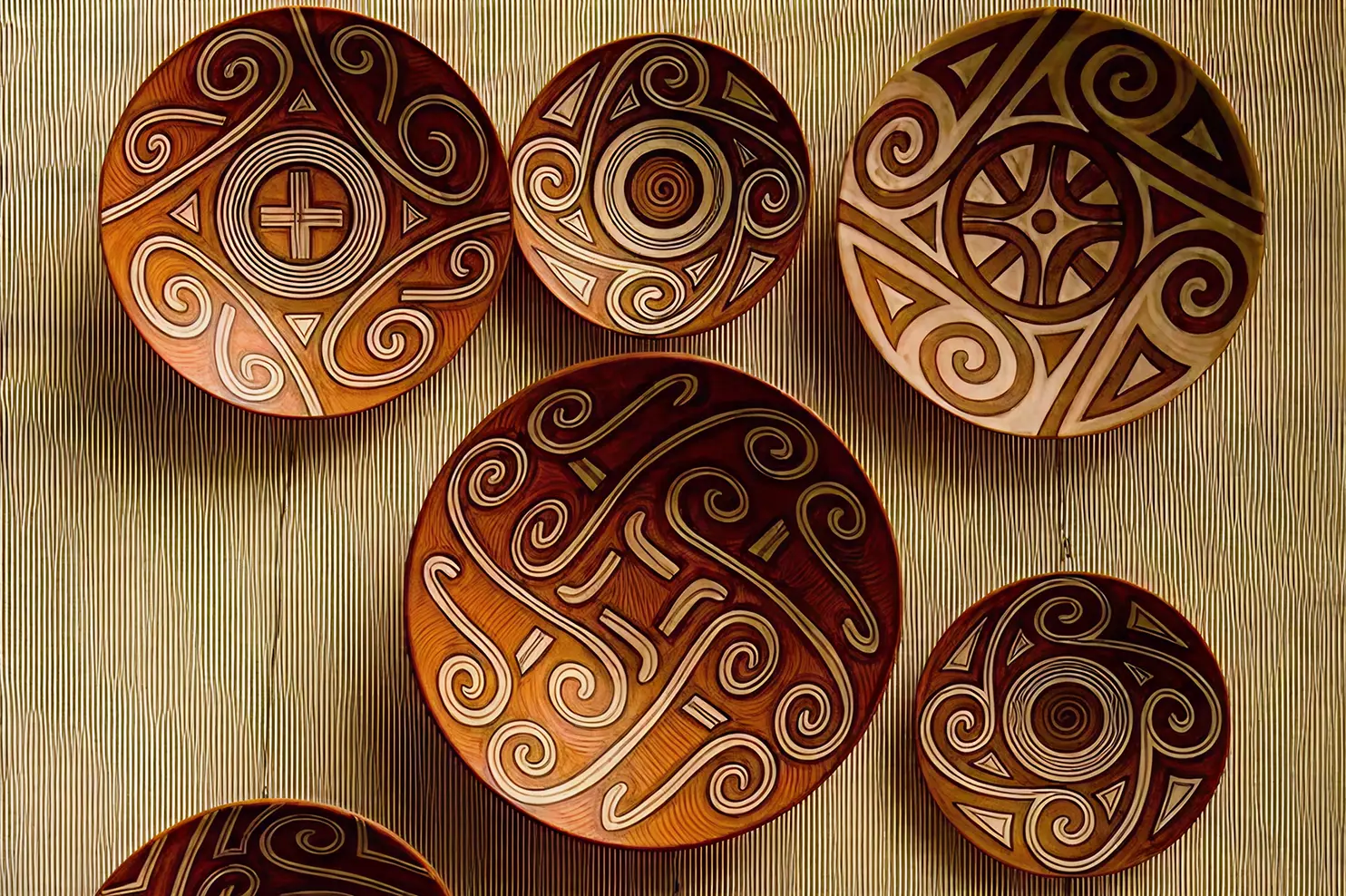
Home to ancient archaeological treasures like the Cucuteni–Trypillia civilization, one of the oldest in Europe.
02
Global Tech Champions

Global Tech Champions

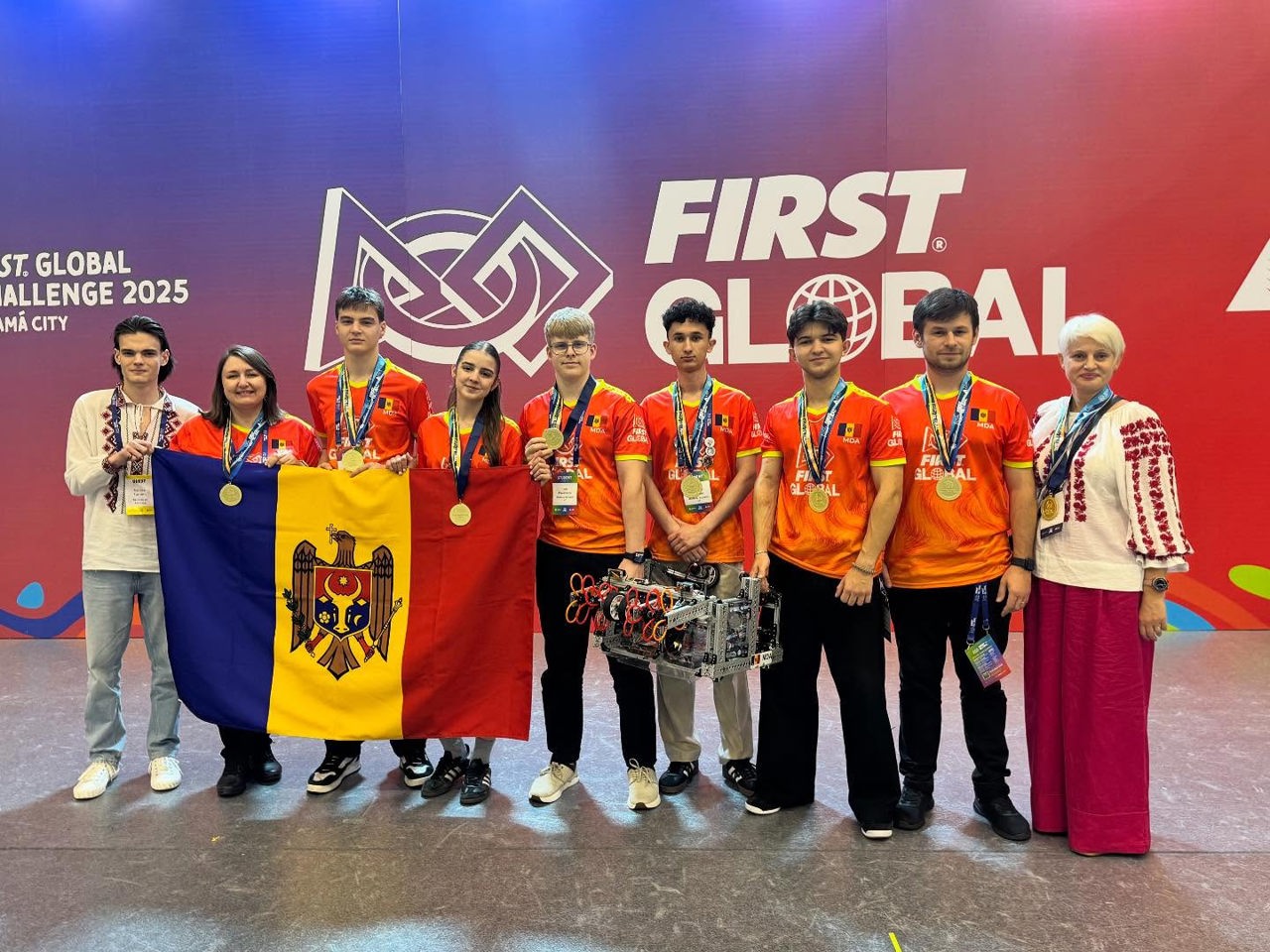
Team Moldova won Gold at the 2025 FIRST Global Challenge, earning global recognition for innovation. They also received an Honorable Mention — FIRST Global Innovator Award, celebrating excellence in applying new technologies and research.
03
Wine Cellars

Wine Cellars

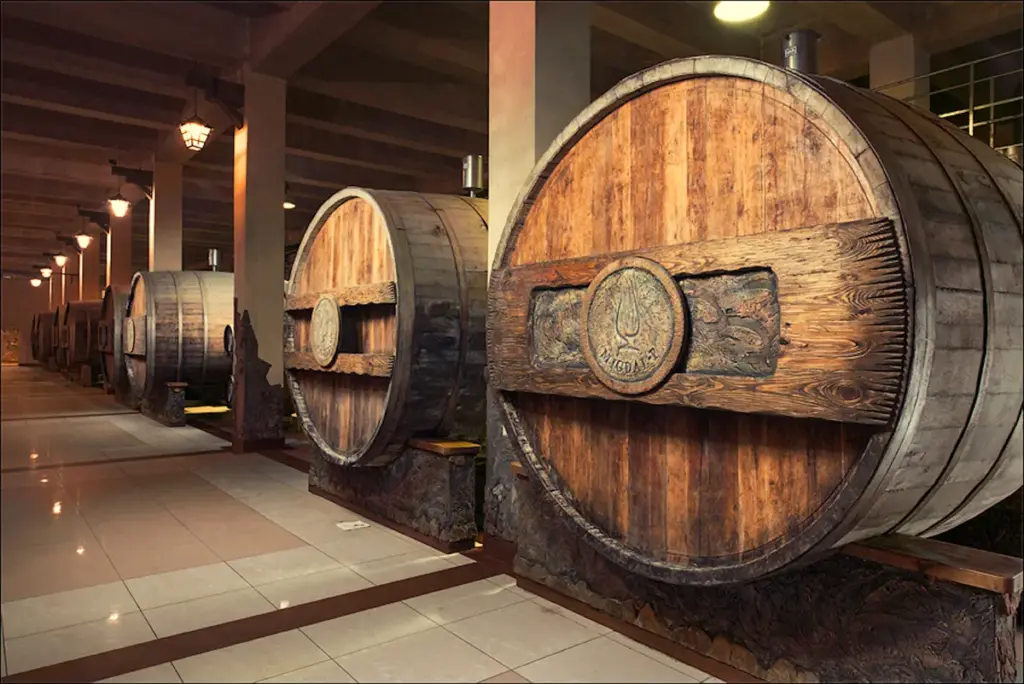
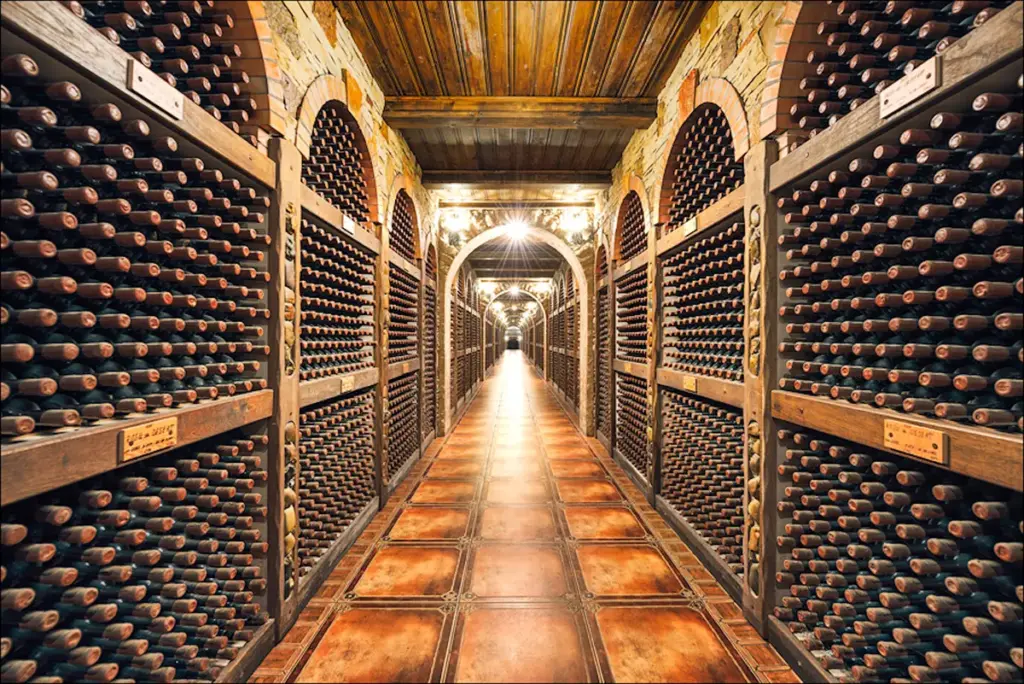
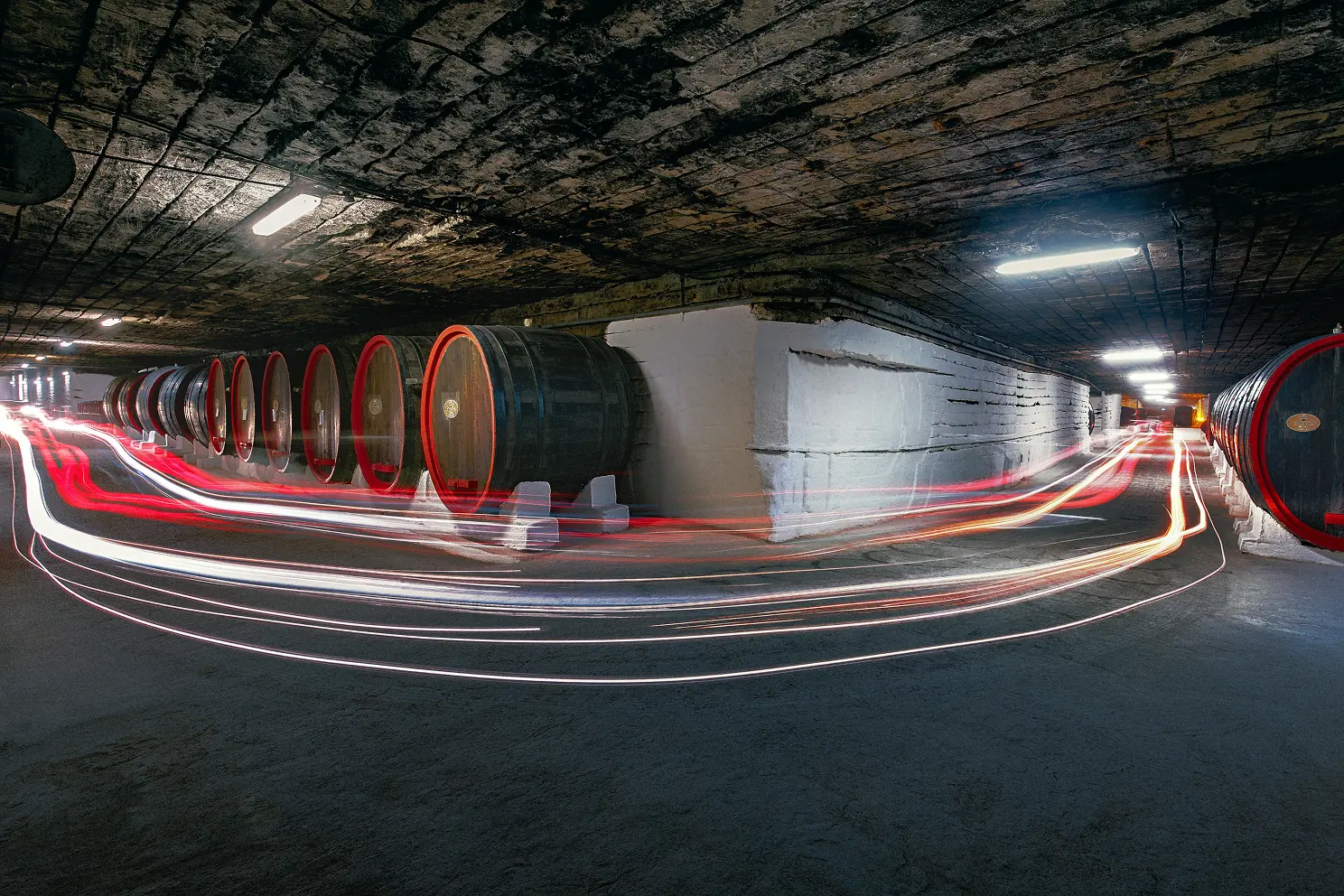
Moldova hosts two world’s largest cellars (Cricova) and wine collections (Mileștii Mici).
04
Home of Legendary Music

Home of Legendary Music

Eugen Doga, Moldova’s world-renowned composer, created timeless waltzes that rank among the Top 200 classical melodies globally. Plus, O-Zone’s “Dragostea Din Tei”, the iconic “Numa Numa” hit, topped charts in 32 countries and sold over 12 million copies worldwide.
05
Vineyards

Vineyards

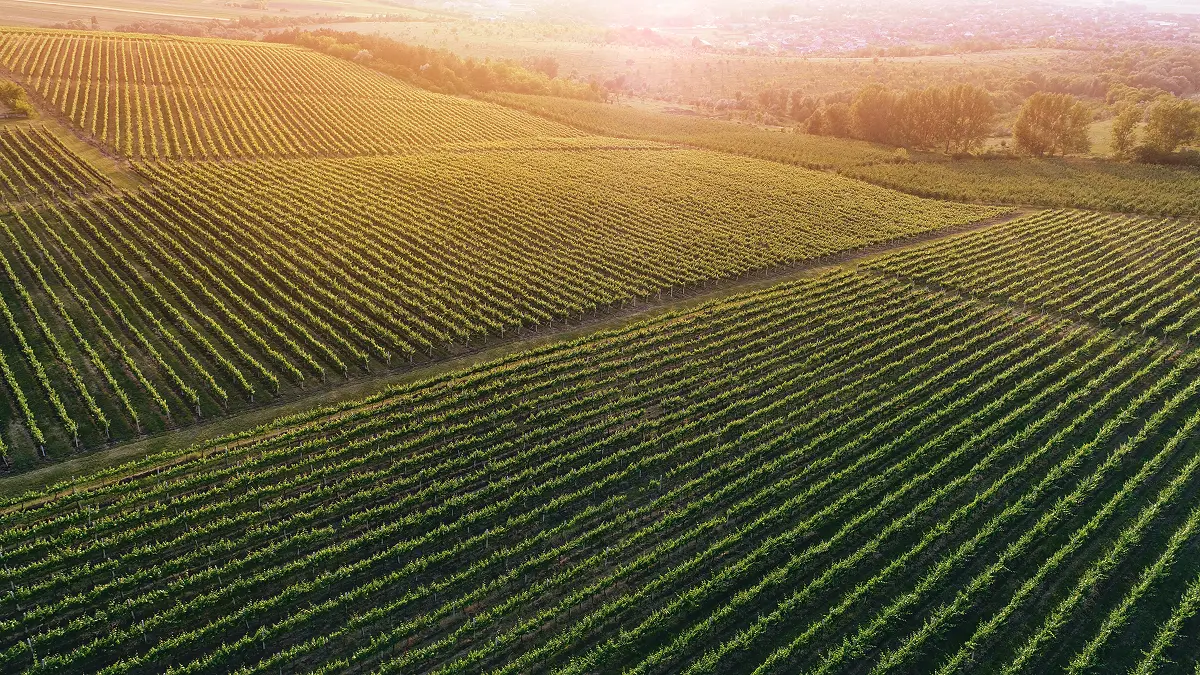
1st in the world with the highest density of vineyards.
06
Olympic Glory in Paris 2025

Olympic Glory in Paris 2025

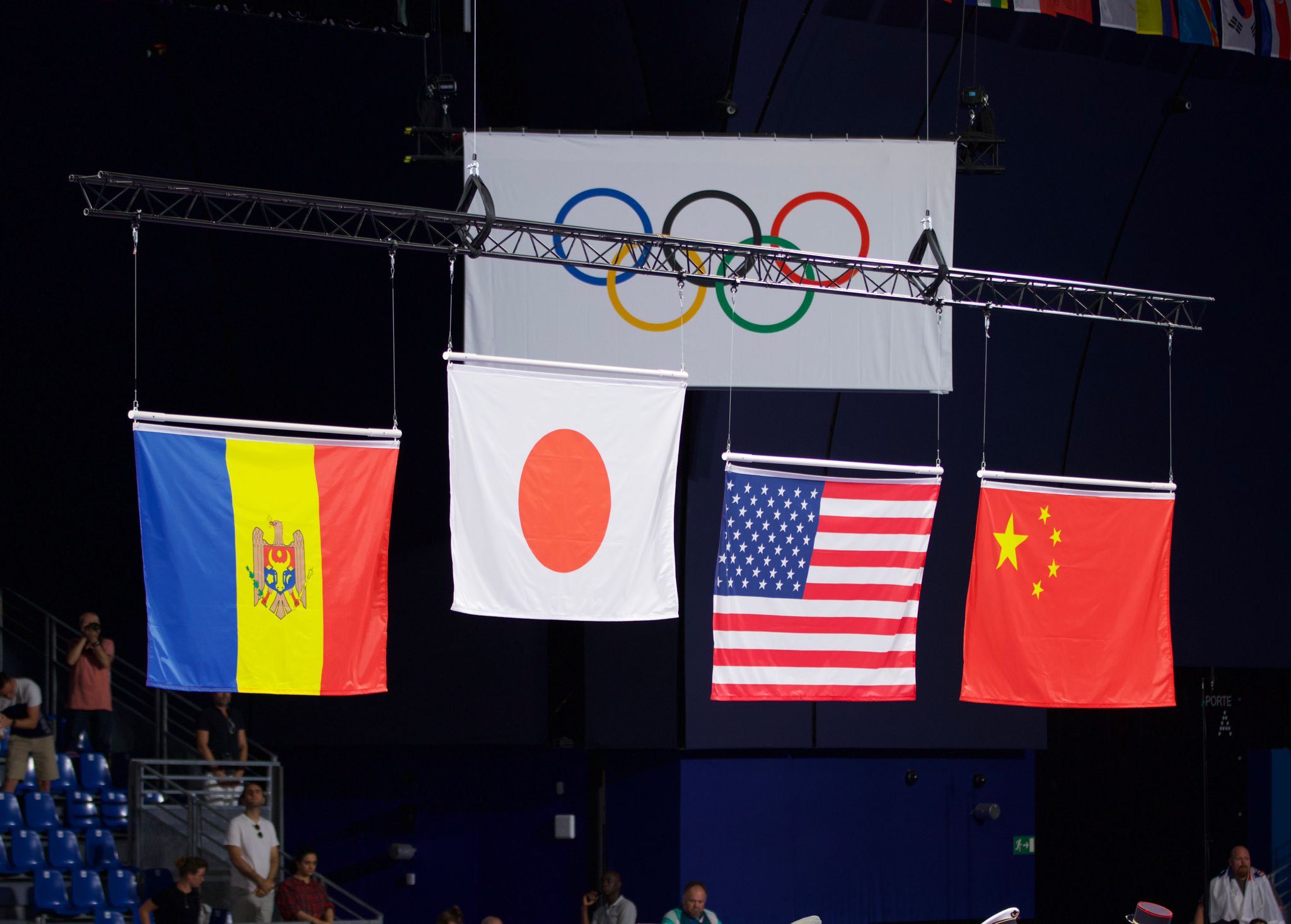
At the 2025 Paris Olympic Games, Moldova celebrated historic success with four medals, ranking 72nd out of 206 countries:
  • Anastasia Nichita – Silver (Women’s Freestyle Wrestling, 57kg) — first Olympic medal for Moldovan women’s wrestling.
  • Serghei Tarnovschi – Bronze (Canoe Sprint, C1 1000m).
  • Denis Vieru – Bronze (Judo, -66 kg).
  • Adil Osmanov – Bronze (Judo, -73 kg).
07
Crossroads

Crossroads

A cultural fusion of Roman, Slavic, Ottoman influences – visible in architecture, cuisine, language, and traditions.
08
Multilingual

Multilingual

Moldovans often speak 3–4 languages fluently: Romanian, Russian, English, French, Ukrainian, Gagauz – a natural advantage for global business and tourism.
09
Castel Mimi

Castel Mimi

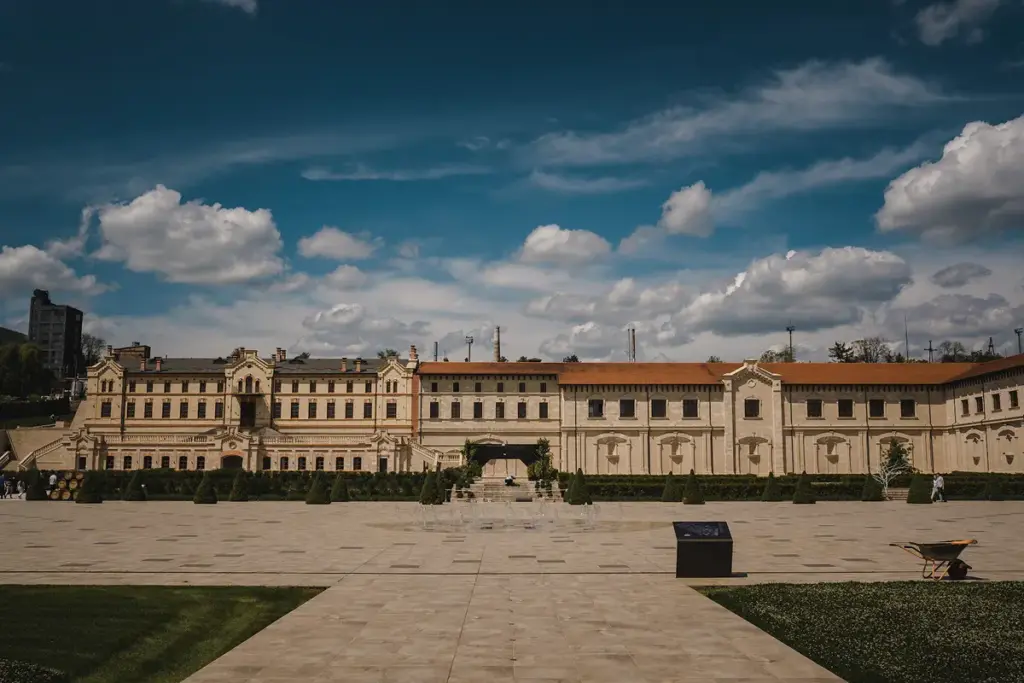
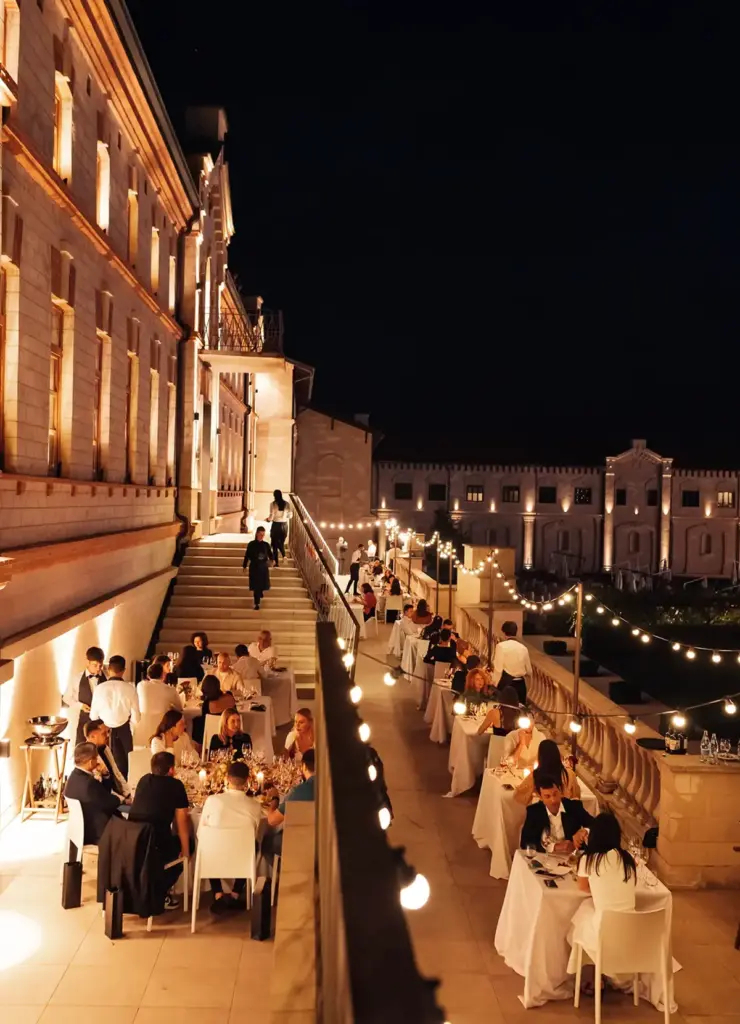
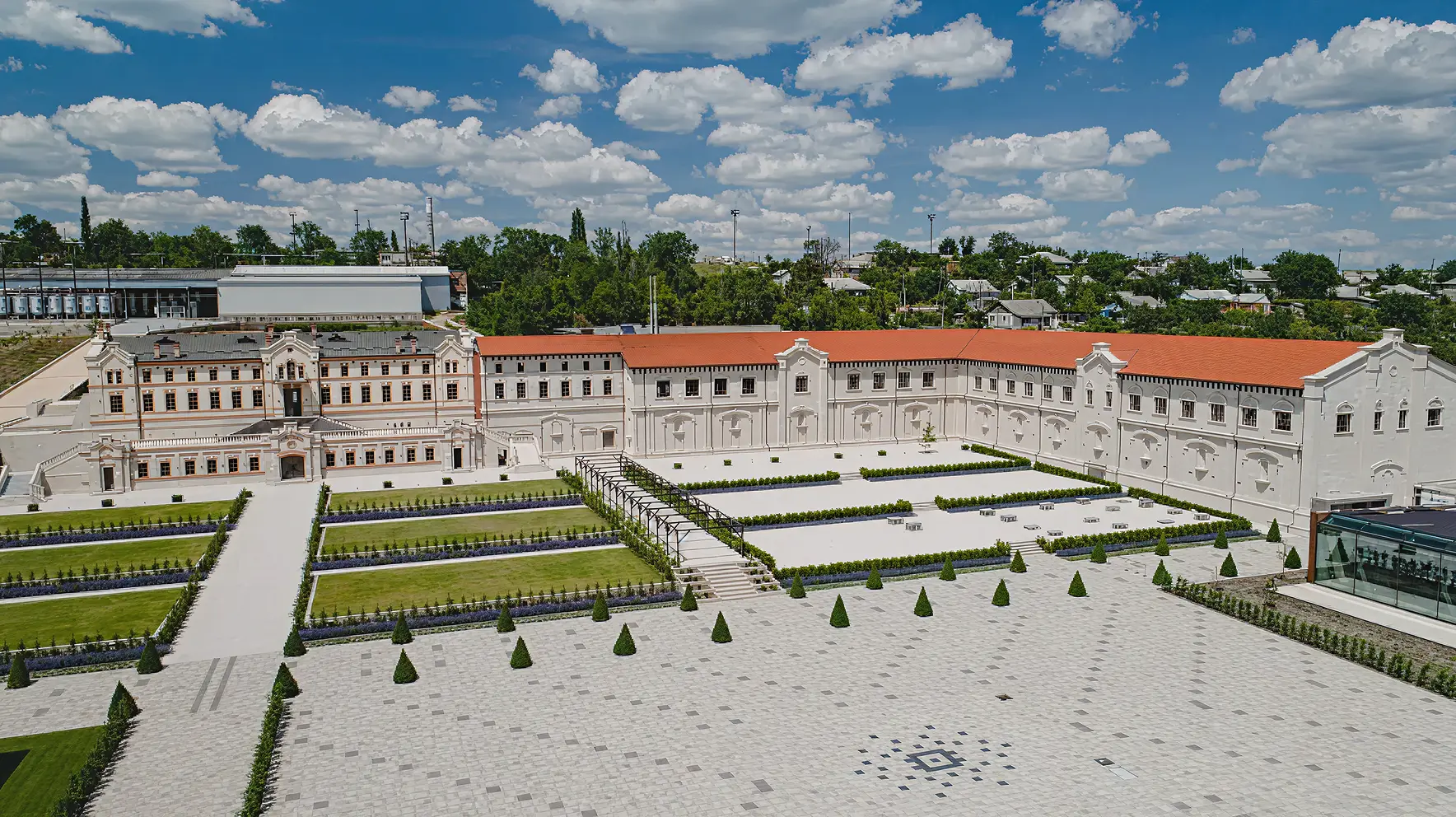
Castel Mimi - TOP 15 architectural masterpieces in the world of wine.
10
One of the World’s Largest Caves

One of the World’s Largest Caves

The Emil Racoviță Cave, located near Criva village in northern Moldova, stretches over 89 kilometers underground. Ranked 3rd among the world’s gypsum caves and 8th among the largest caves globally, it is one of Europe’s most impressive natural wonders, spread across multiple underground levels.
11
A Global Agricultural Champion

A Global Agricultural Champion

Moldova is a leading agricultural exporter worldwide:
  • 18th largest exporter of grapes
  • 16th largest exporter of wine
  • 16th largest exporter of apples
  • 10th largest exporter of apricots
  • 10th largest exporter of cherries
  • 8th largest exporter of walnuts
  • 6th largest exporter of sunflower seeds
  • 6th largest exporter of plums
A small country with a remarkable global footprint in agri-food excellence.
12
Double Christmas Celebrations

Double Christmas Celebrations

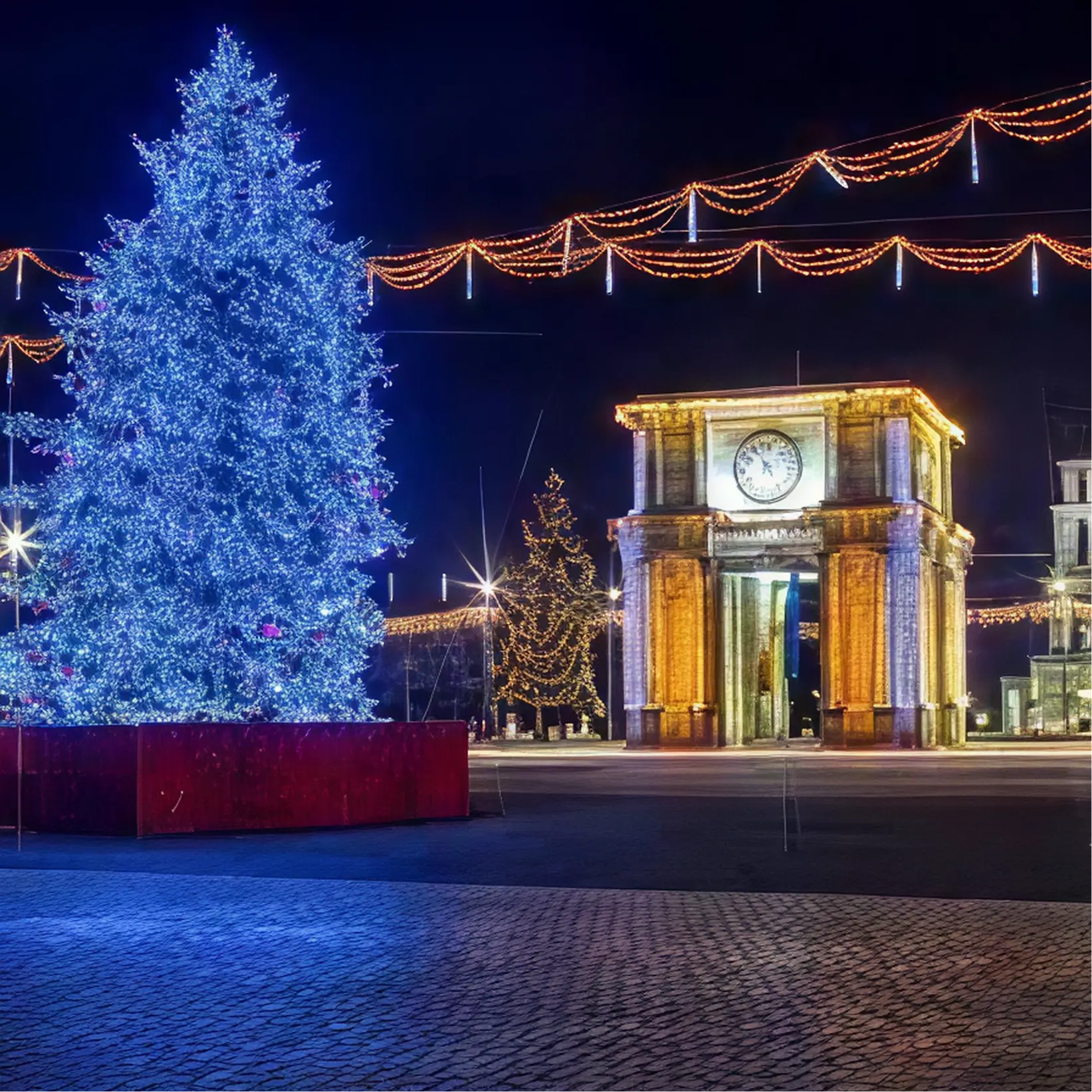
Moldova uniquely celebrates two official Christmas holidays — on 25 December and 7–8 January, blending Western and Eastern Orthodox traditions.
13

A brief journey through Moldova's past

Present Day

Moldova pursues democratic development and European integration.

2024

EU opens accession negotiations with Moldova

2022

Moldova was officially granted candidate status by European Union.

1992

Conflict in the Transnistrian region following Moldova’s independence.

1991

Moldova declares independence following the collapse of the Soviet Union.

1940

Bessarabia was annexed by the Soviet Union, forming the Moldavian SSR.

1918

Bessarabia unites with the Kingdom of Romania after World War I.

1812

Eastern Moldova ceded to the Russian Empire, becoming Bessarabia.

16th Century–Early 19th Century

Moldavia under Ottoman suzerainty with relative autonomy.

14th Century

Establishment of the Principality of Moldavia.

4800–3000 BC

Cucuteni-Trypillian culture thrives, showcasing early European civilization.

Present Day

Moldova pursues democratic development and European integration.

At present, Moldova stands as a young democracy defined by resilience and ambition. In recent decades, it has consolidated state institutions, pursued reforms, and nurtured a society where transparency, freedom of expression, and civic participation are upheld as core values.

Each step forward illustrates a nation determined to strengthen its democratic foundations and to secure stability, progress, and dignity for generations to come.
2024

EU opens accession negotiations with Moldova

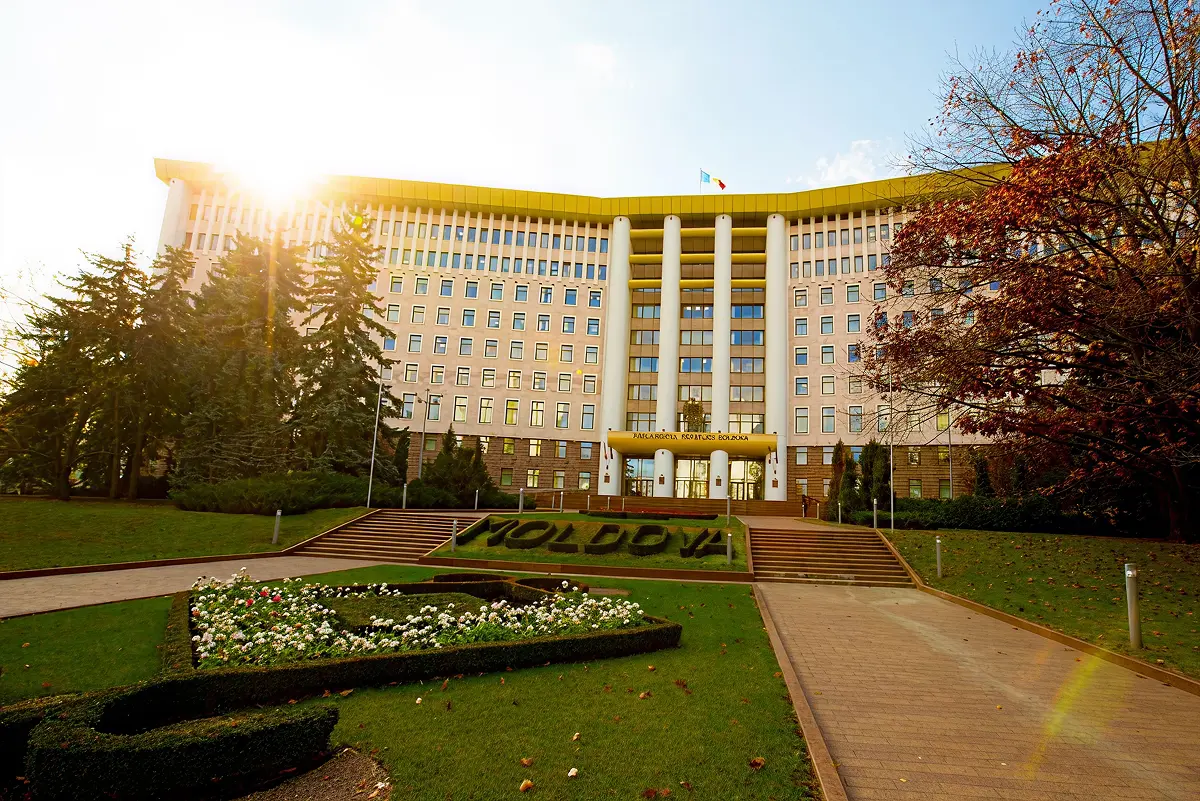
On 25 June 2024, Moldova entered a new chapter as the European Union officially opened accession negotiations. The moment reflected years of progress and the steady will to align with European values. While the path ahead is complex, this step highlights Moldova’s determination to modernize and integrate more deeply into Europe.

It will remain a defining reference in the nation’s story, symbolizing resilience, continuity, and the promise of a stronger future.
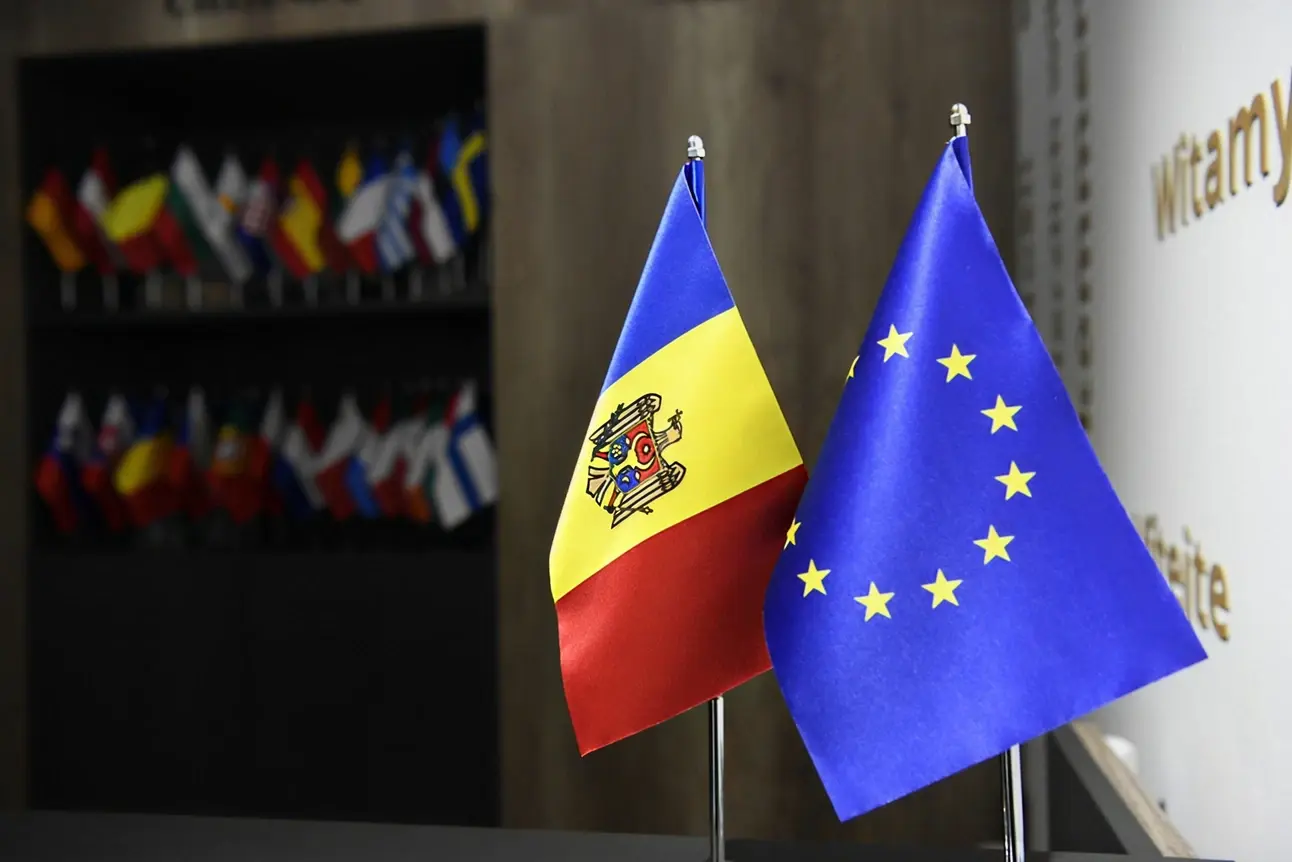
2022

Moldova was officially granted candidate status by European Union.

On 23 June 2022, the European Council granted Moldova official EU candidate status.The decision recognized not only the country’s European perspective but also the determination shown through reforms and democratic progress.

For Moldova, the moment represented an affirmation of belonging within the European family, reinforcing the idea that its path toward integration is both achievable and deeply rooted in the aspirations of its people.

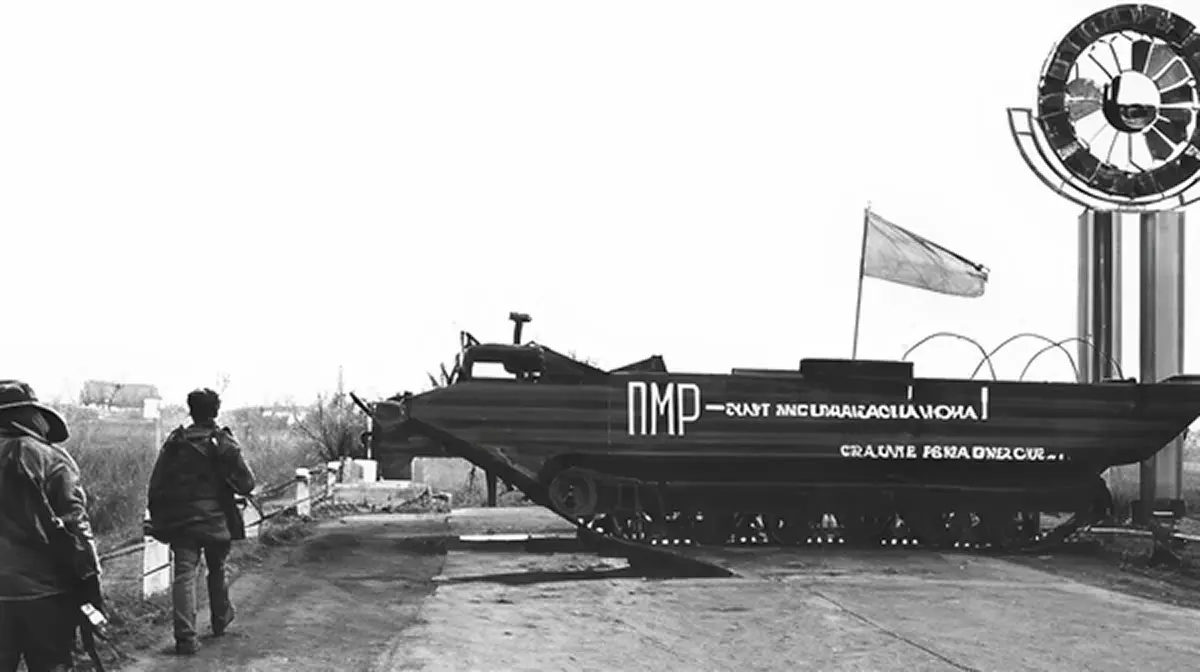
1992

Conflict in the Transnistrian region following Moldova’s independence.

The Transnistrian conflict erupted in March 1992, shortly after Moldova’s independence, when armed clashes broke out between Moldovan forces and separatist groups supported by Russia’s 14th Army. Fighting escalated in June with the Battle of Bender, leaving deep scars on the young nation.

On 21 July 1992, a ceasefire agreement was signed, ending hostilities but leaving the conflict unresolved. The episode revealed Moldova’s resilience and laid the foundation for its continued pursuit of sovereignty, stability, and democratic development.
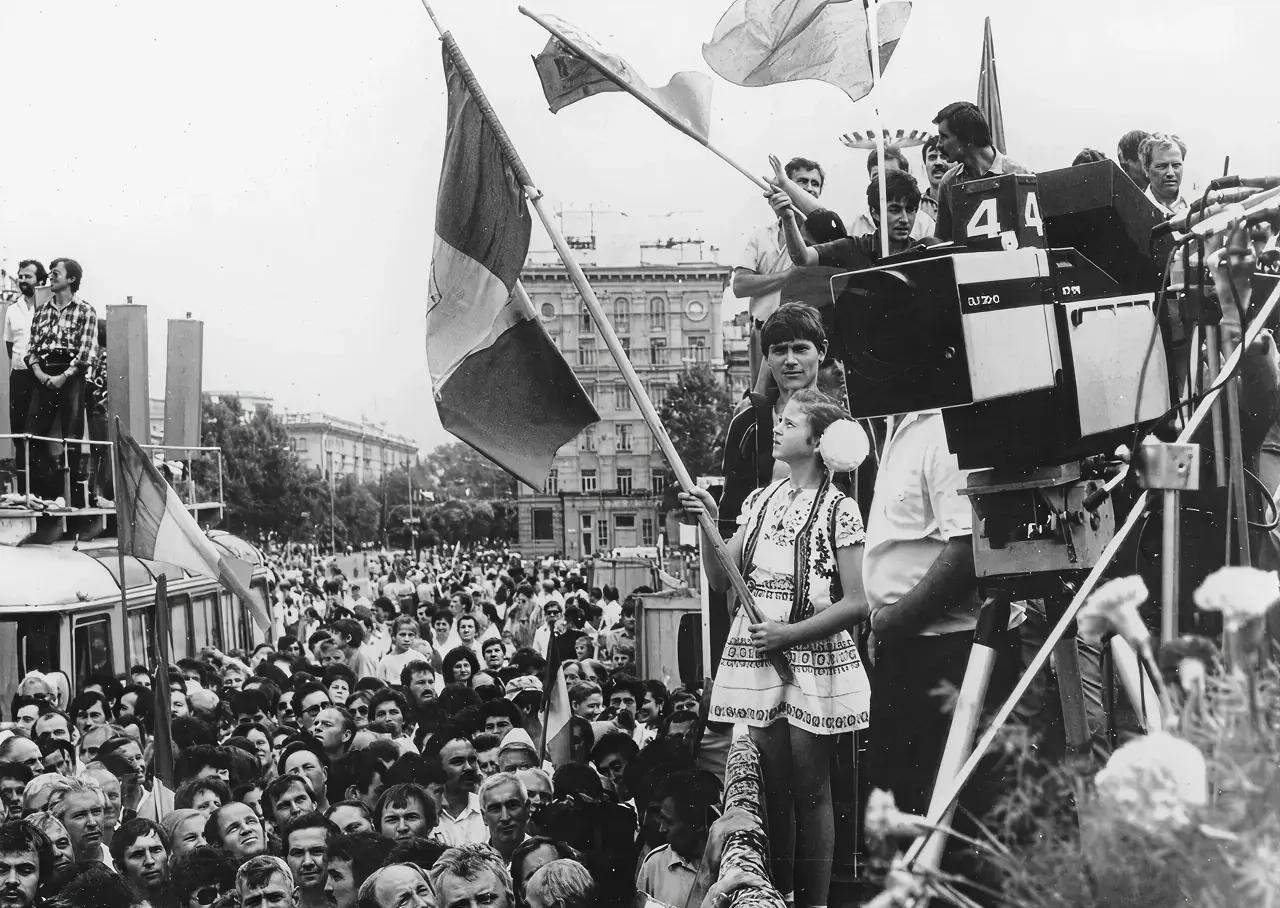
1991

Moldova declares independence following the collapse of the Soviet Union.

Moldova declared its independence on August 27, 1991, amidst the collapse of the Soviet Union. This declaration marked the country's official secession, establishing the Republic of Moldova as a sovereign state and completing its transition from a Soviet Socialist Republic to an independent nation.
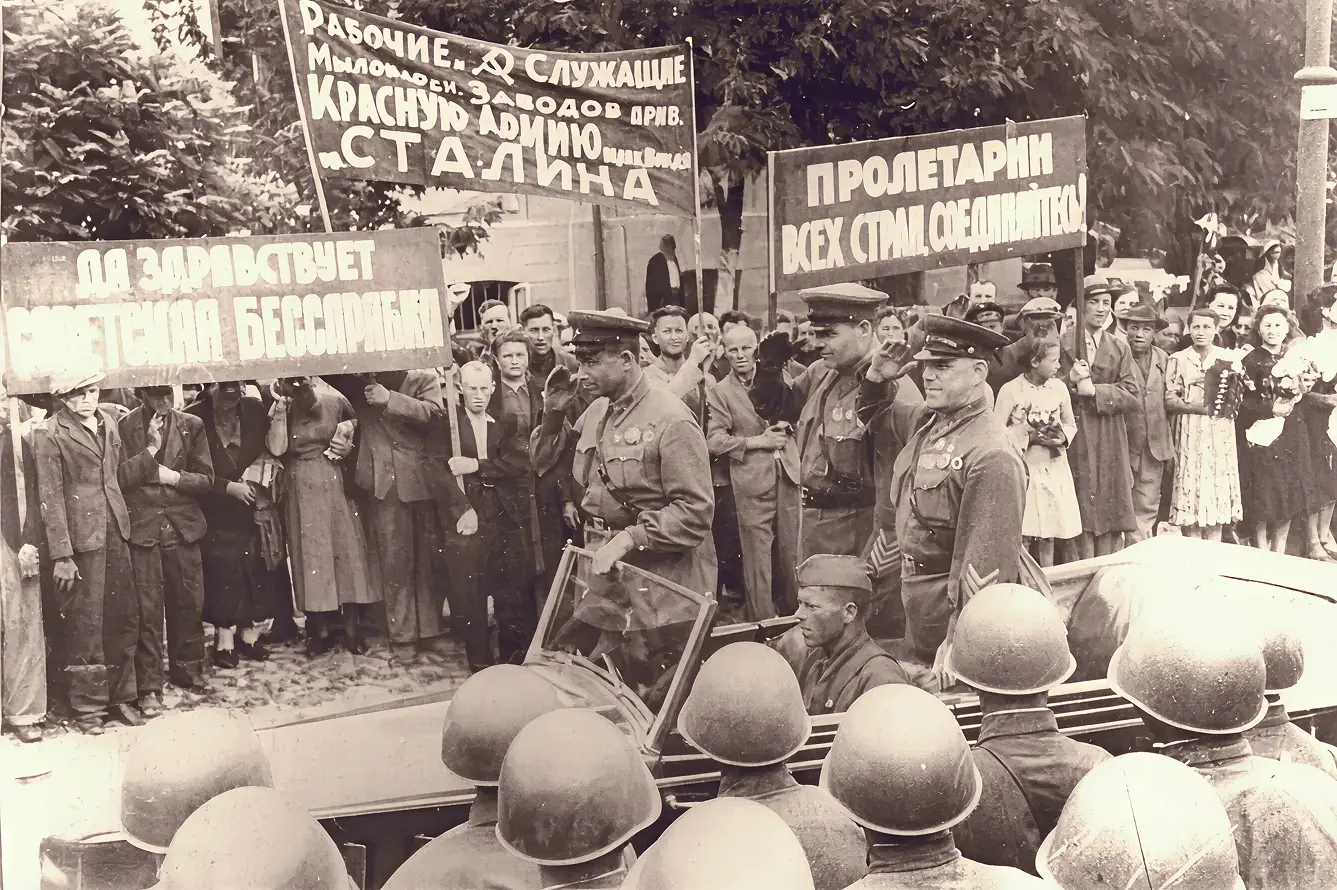
1940

Bessarabia was annexed by the Soviet Union, forming the Moldavian SSR.

Bessarabia was annexed by the Soviet Union in June 1940, following an ultimatum to Romania and the Molotov-Ribbentrop Pact. This action led to the formation of the Moldavian Soviet Socialist Republic (MSSR), changing the region's political and administrative structure and commencing a five-decade period of Soviet rule.
1918

Bessarabia unites with the Kingdom of Romania after World War I.

Following the Russian Revolution and the chaos of World War I, Bessarabia's legislative body, the Sfatul Țării (Council of the Country), first declared the Moldavian Democratic Republic in 1917, and then proclaimed union with the Kingdom of Romania on March 27/April 9, 1918. This act made Bessarabia the first province to join Greater Romania.
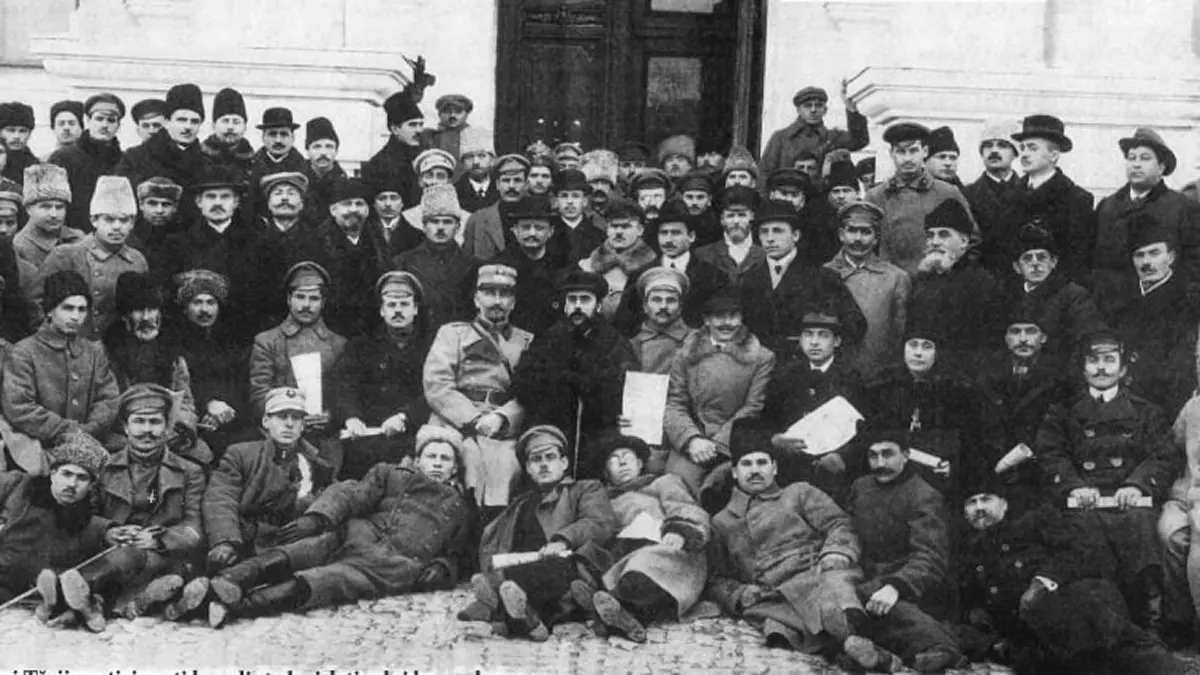
1812

Eastern Moldova ceded to the Russian Empire, becoming Bessarabia.

Eastern Moldova, a vassal of the Ottoman Empire, was ceded to the Russian Empire by the Treaty of Bucharest in May 1812, concluding the Russo-Turkish War. The Prut River became the new boundary. This annexed territory, between the Prut and Dniester rivers, was subsequently organized as the Russian province of Bessarabia.
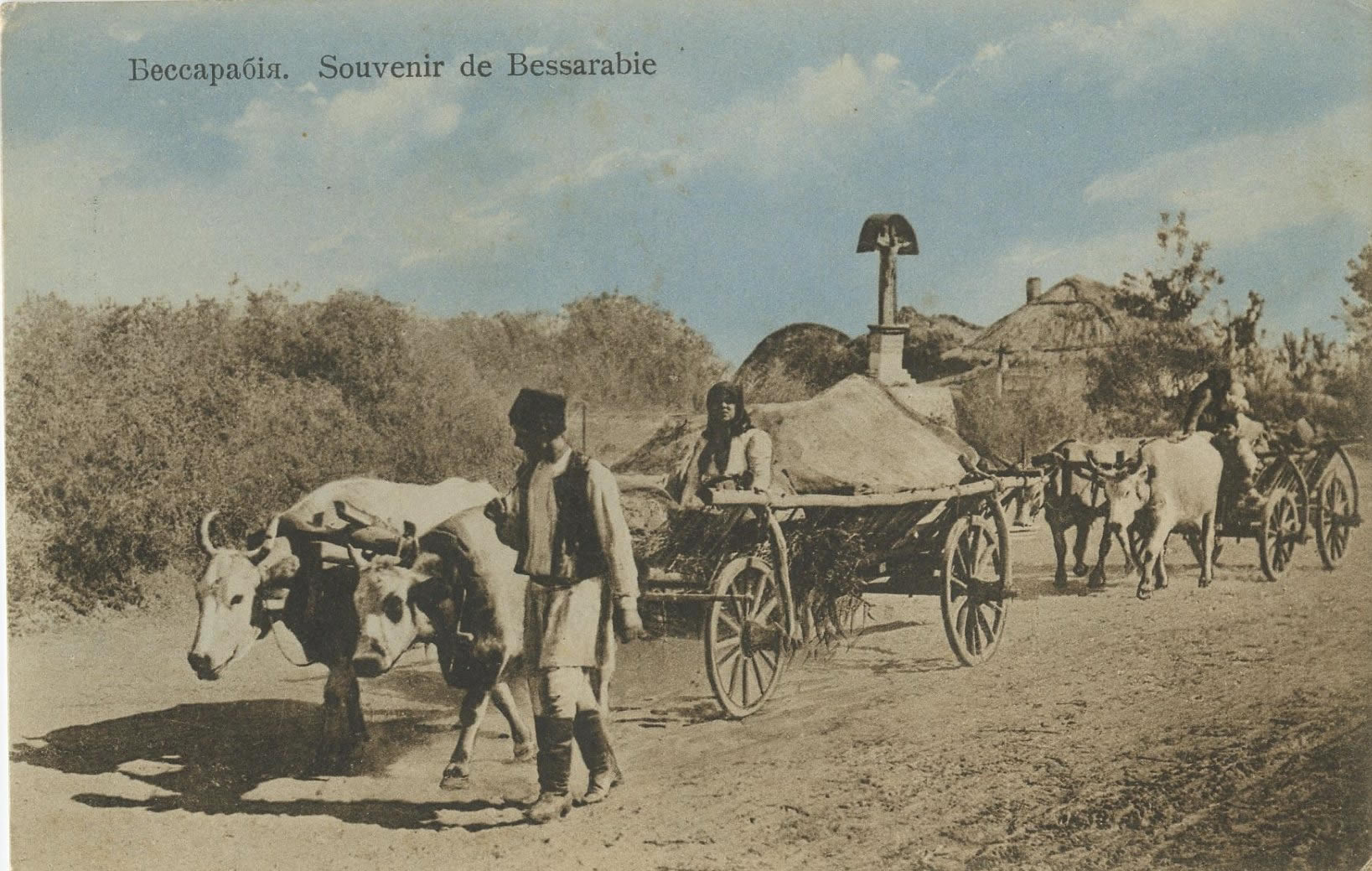
16th Century–Early 19th Century

Moldavia under Ottoman suzerainty with relative autonomy.

From the 16th to the early 19th century, the Principality of Moldavia (the historical predecessor of modern Moldova) was a tributary vassal state of the Ottoman Empire. It paid an annual tribute to the Sultan but retained significant internal autonomy, including its own political and religious institutions and native princes (until the Phanariote period in the 18th century).
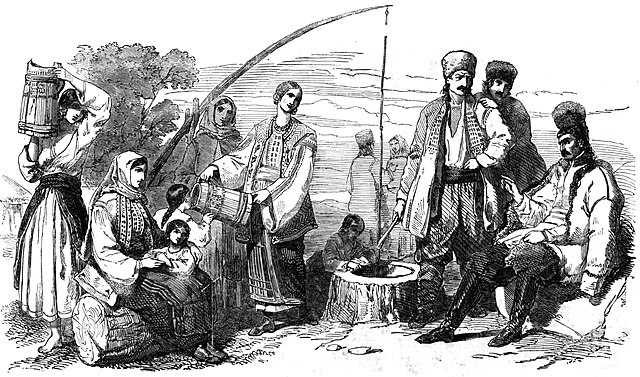
14th Century

Establishment of the Principality of Moldavia.

The establishment of the Principality of Moldavia occurred in the 14th century through a two-stage process led by Vlach (Romanian) voivodes from Maramureș: an initial foundation as a Hungarian march and a subsequent achievement of independence.

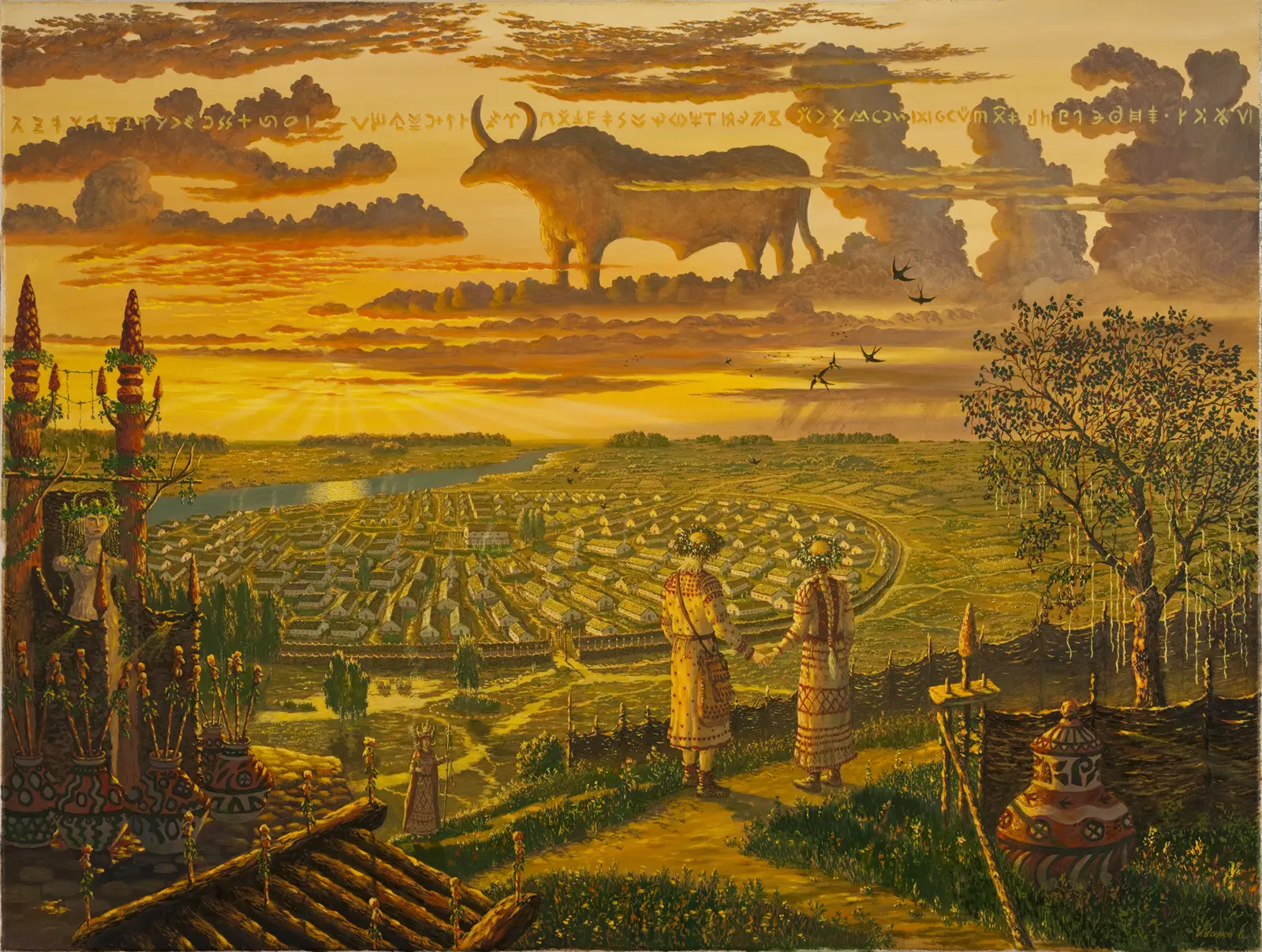
4800–3000 BC

Cucuteni-Trypillian culture thrives, showcasing early European civilization.

The Cucuteni-Trypillian culture (c. 4800–3000 BC) was a vast Neolithic/Chalcolithic society thriving in modern Moldova, Romania, and Ukraine. Known for its advanced agriculture, complex settlements (including some of the world's largest at the time, called 'mega-sites'), and distinctive, intricately painted pottery, it represents one of the most significant early European civilizations. They are also famous for ritualistically burning their large settlements every 60–80 years.
The heritage we are proud of

Moldova’s heritage is the quiet strength of its people - a living bond between past and future, carried with pride and woven into our identity.

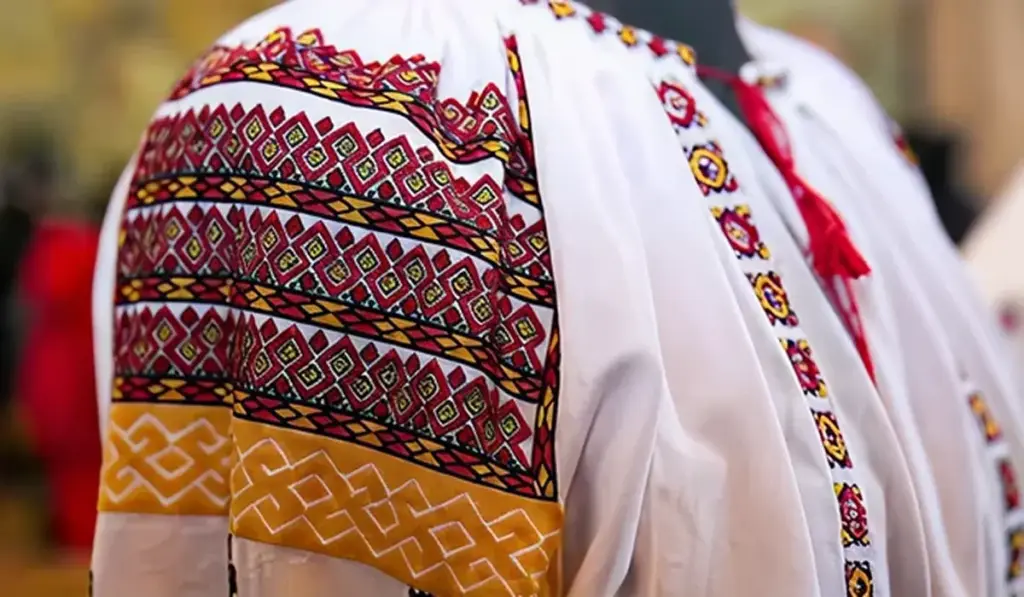
Altiţă, the traditional blouse with embroidery on the shoulder

The art of the traditional blouse with embroidery on the shoulder (altiţă) — an element of cultural identity in Romania and the Republic of Moldova

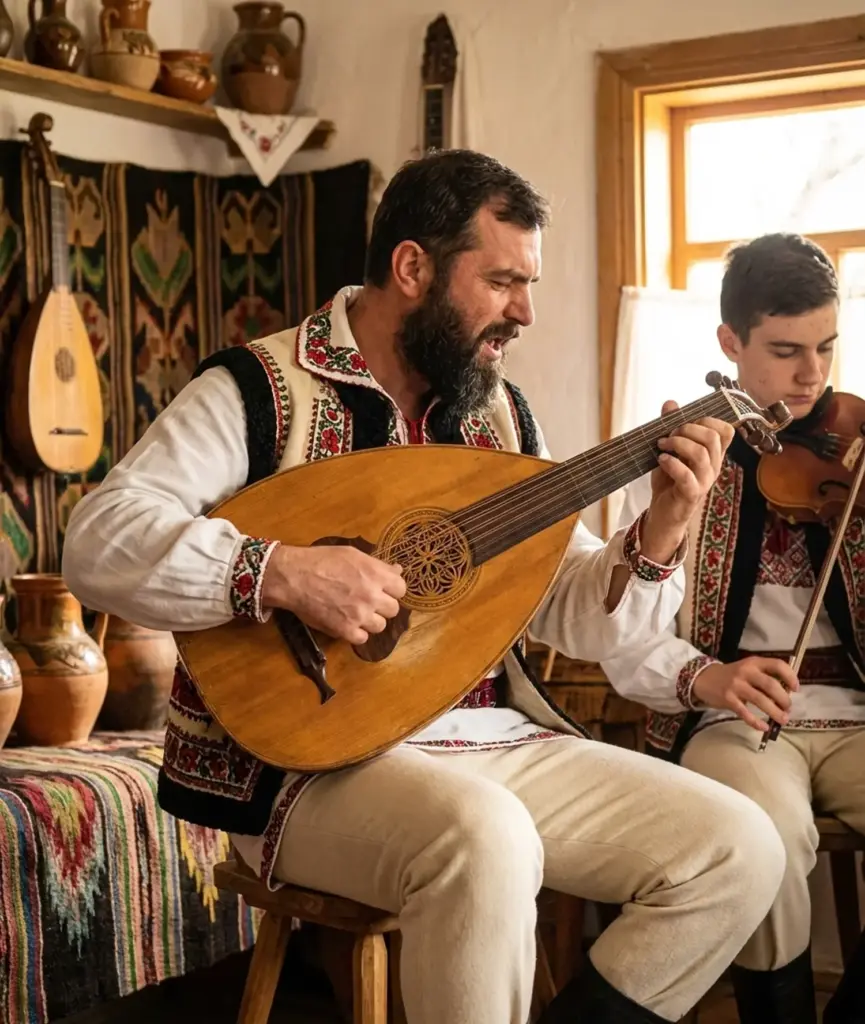
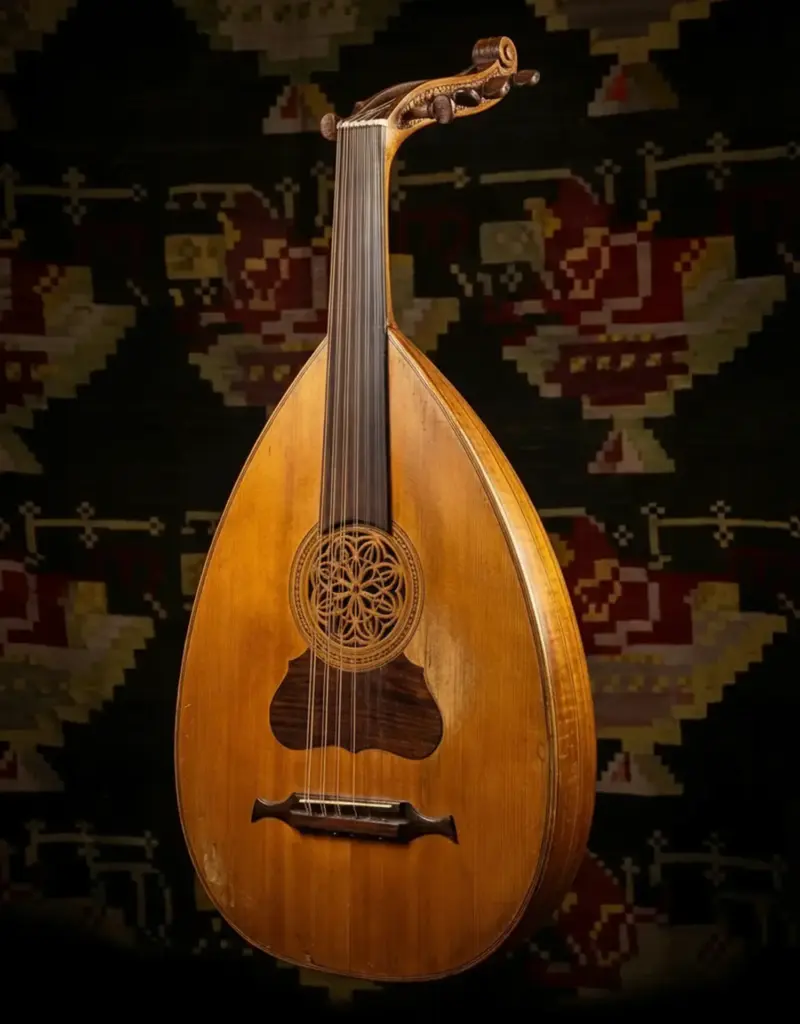
Cobza

The Cobza is a traditional pear-shaped string instrument central to Moldovan folk music, played solo or in groups at celebrations and social gatherings. Crafted and passed down through generations, it remains a living symbol of cultural identity and community heritage.

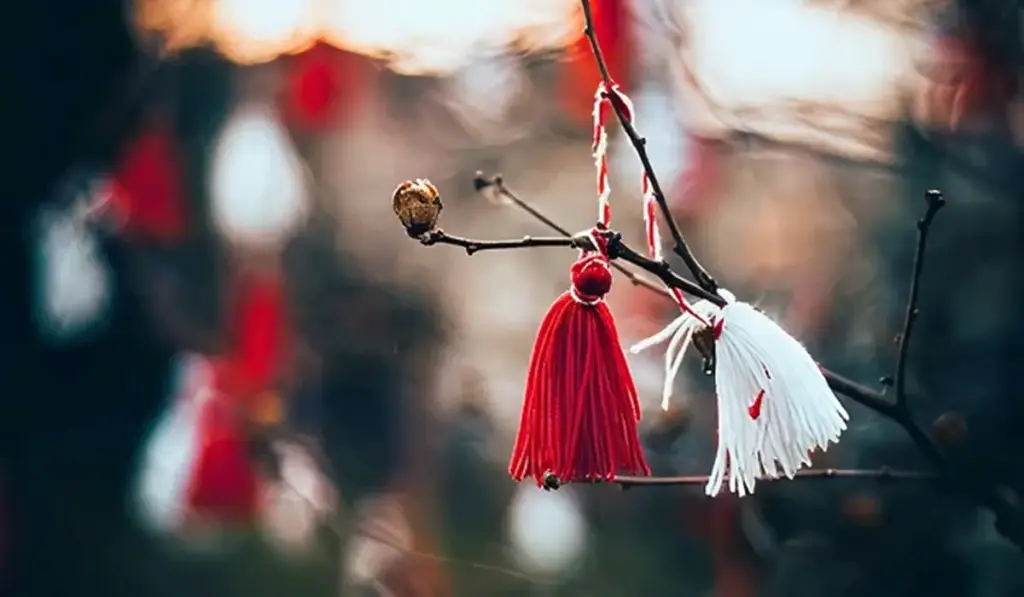
Mărțișor

Cultural practices associated to the 1st of March.

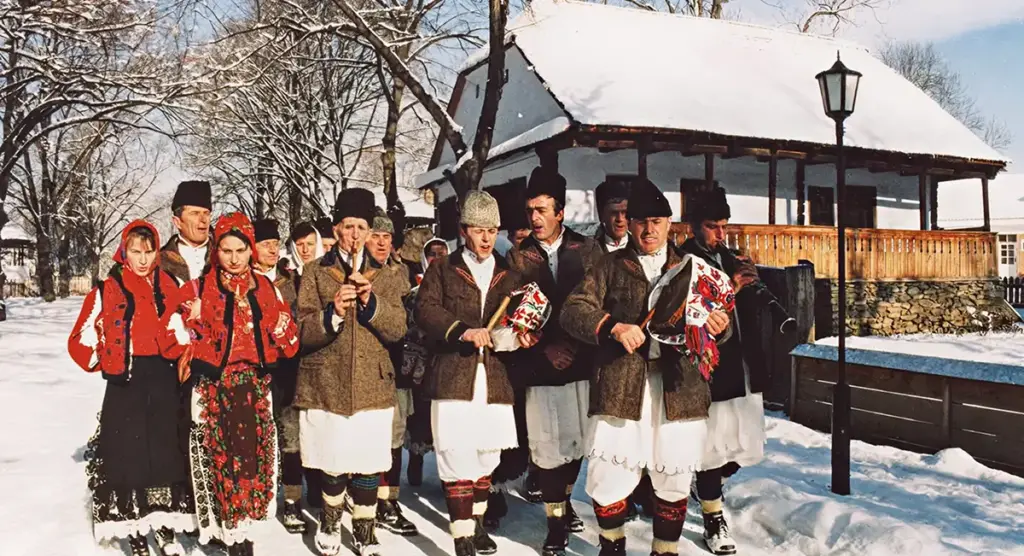
Men’s group Colindat, Christmas-time ritual

A cherished tradition where voices blend under winter skies, Colindatul preserves the spirit of kinship and ancestral rhythm across generations.

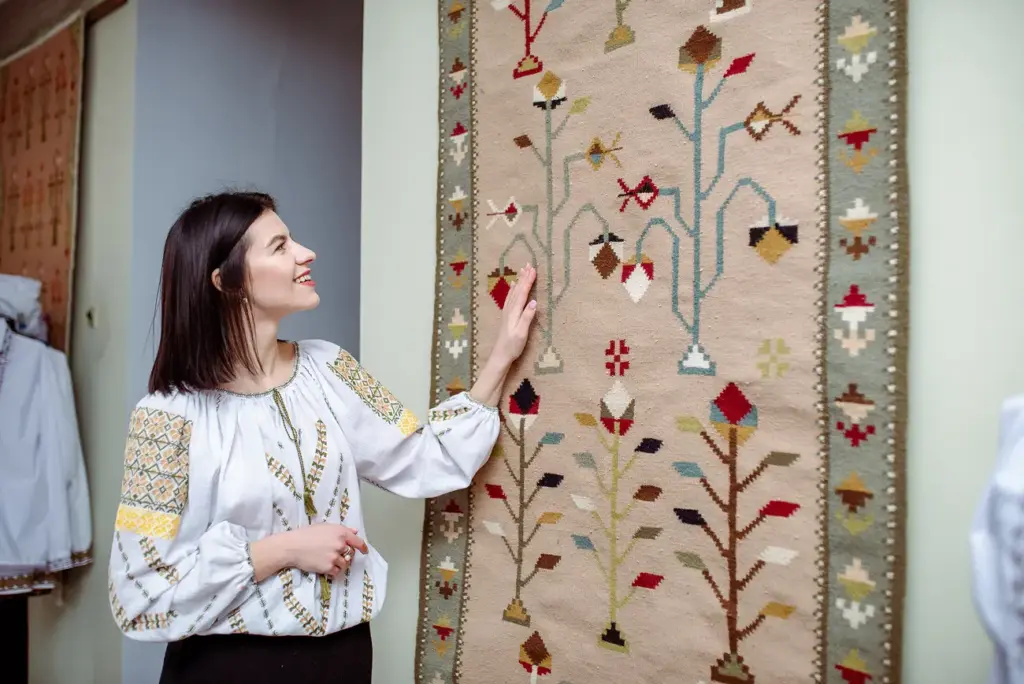
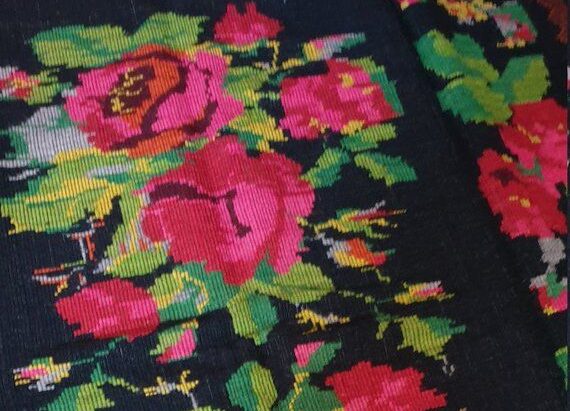
Traditional wall-carpet craftsmanship in Romania and the Republic of Moldova

Woven by hand with symbolic motifs, Moldovan carpets are a legacy of beauty and patience — storytelling textiles that once adorned the walls of every Casa Mare.

Unesco heritage

From festive rituals to intricate craftsmanship, Moldova’s intangible treasures inscribed by UNESCO celebrate a living culture passed down through generations — symbols of identity, creativity, and shared memory.

Explore Moldova like a local

Experience Moldova beyond the guidebooks — live its rhythms, taste its traditions, and connect with its people. Here, you’re not just visiting; you’re becoming part of the story.

Rural Life
Wine & Gastronomy
Culture & Heritage
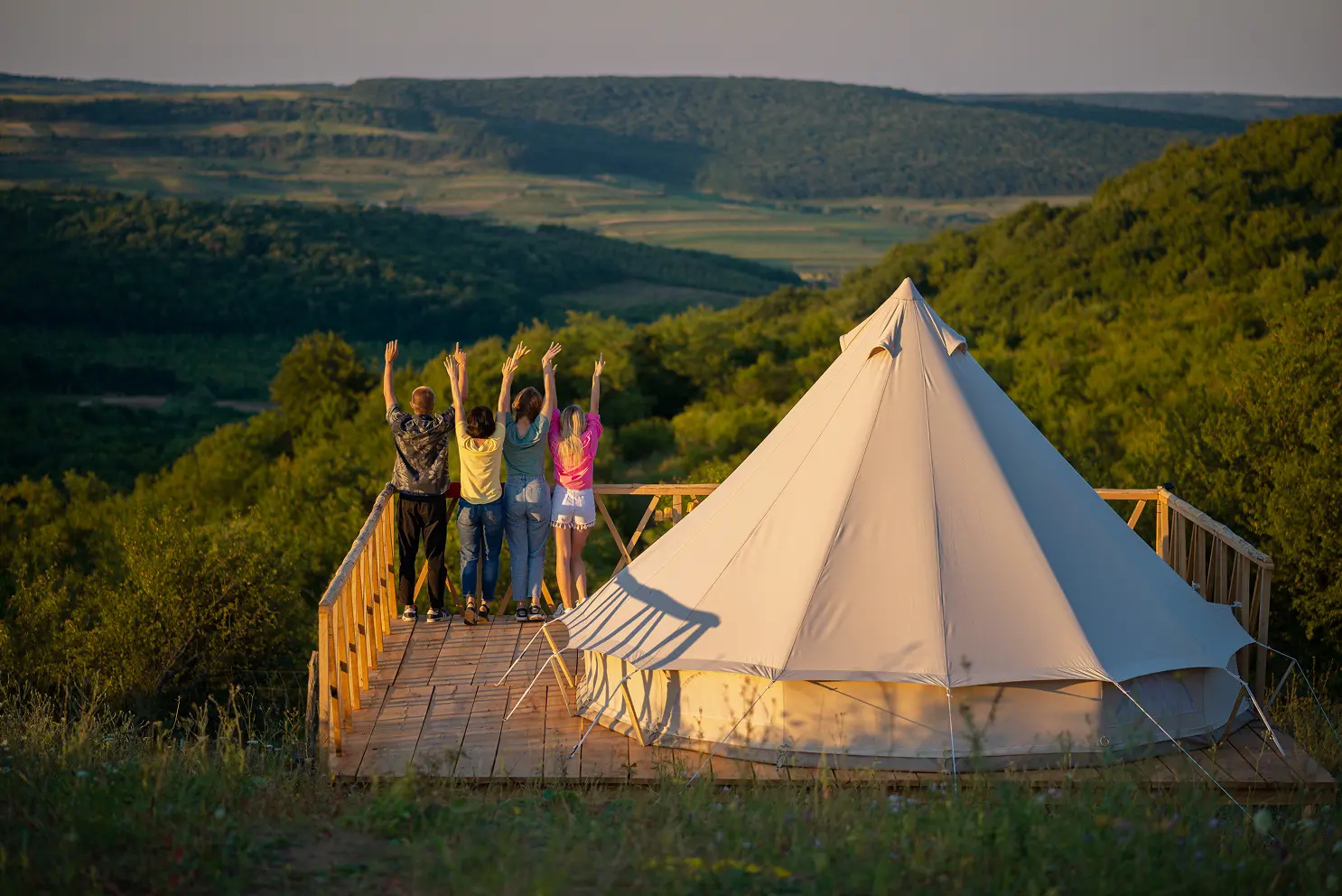
Outdoor & Adventure

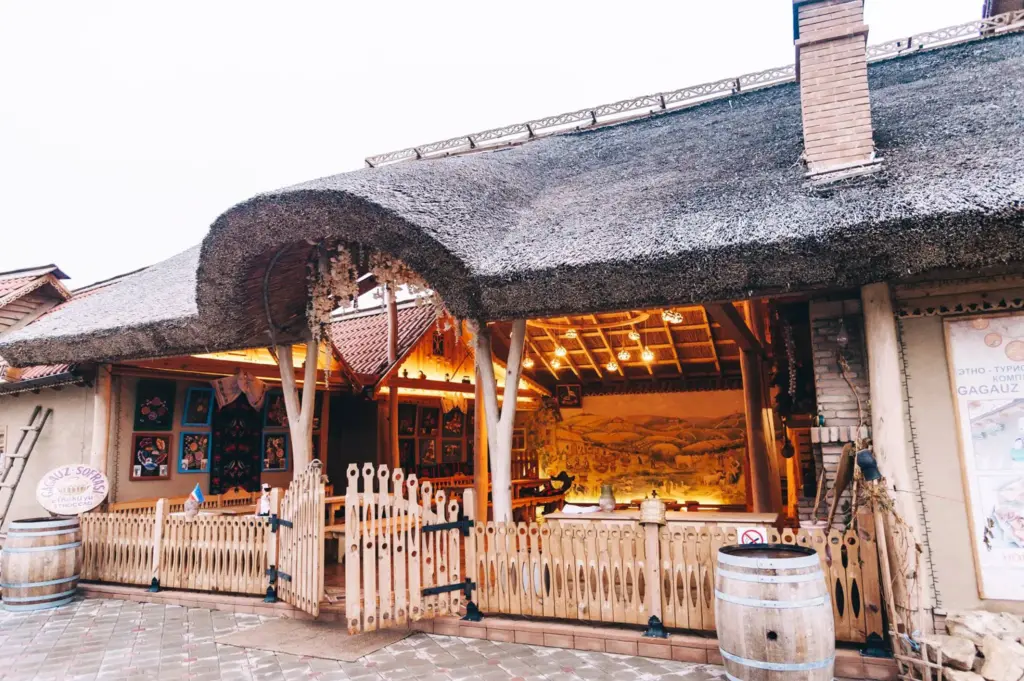
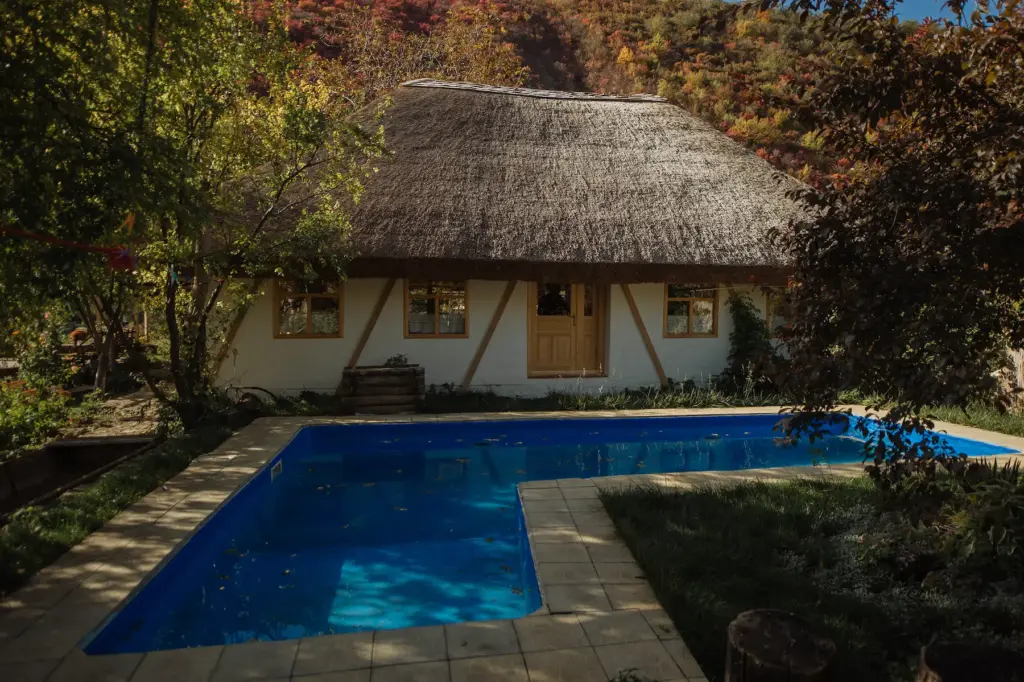
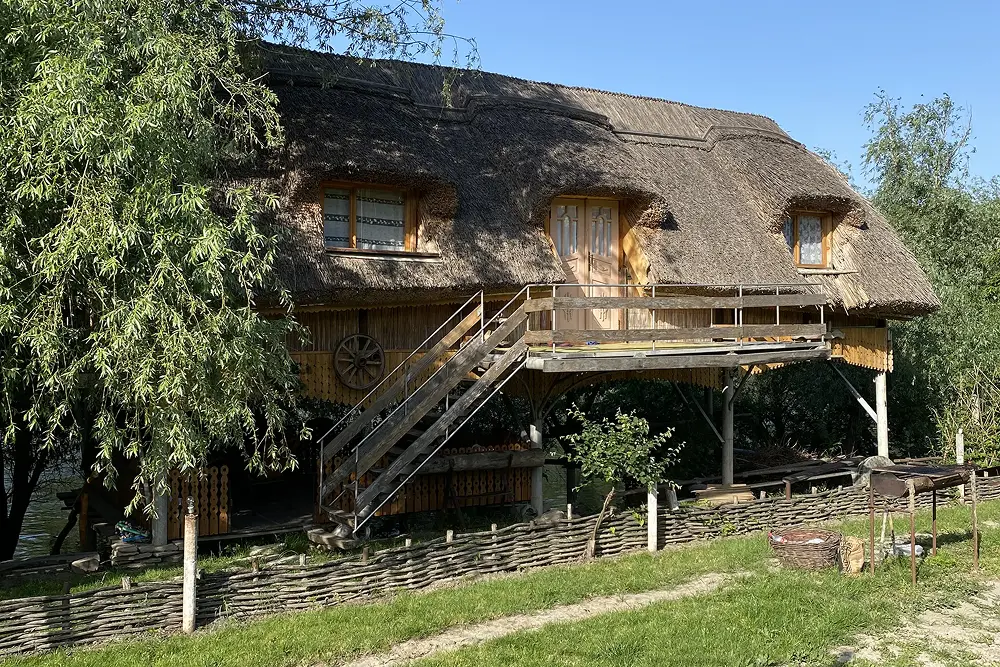
Authentic Moldovan Countryside

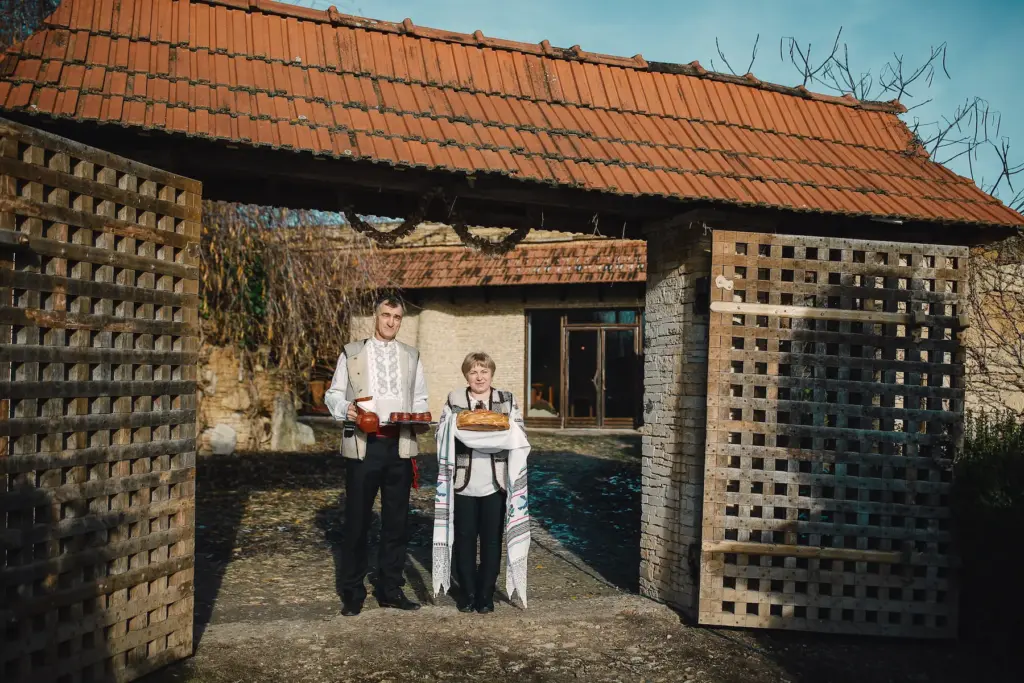
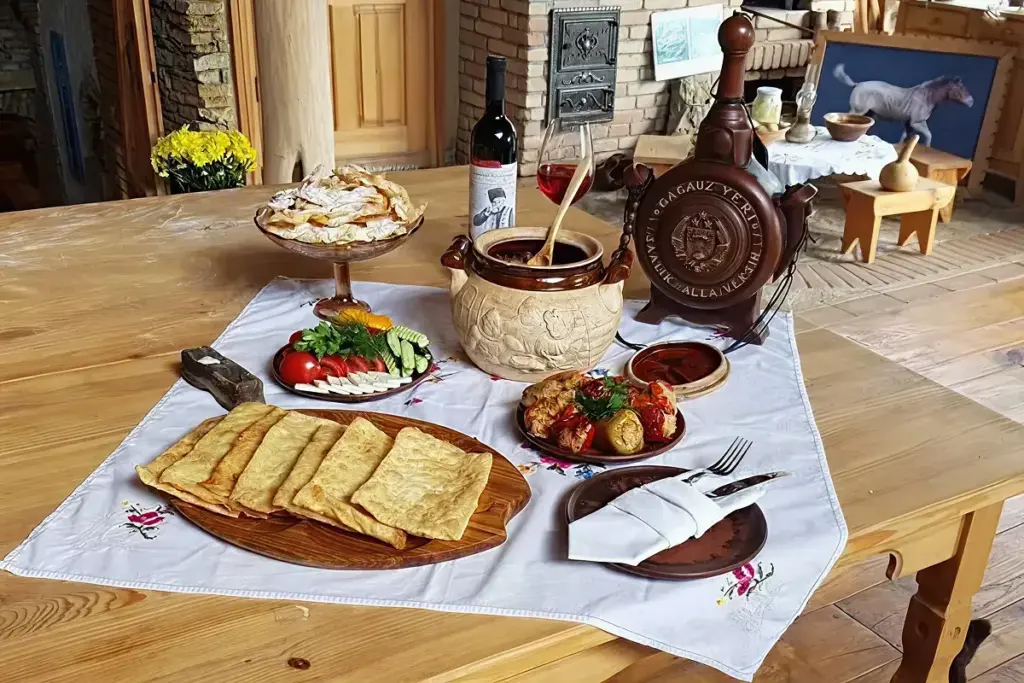
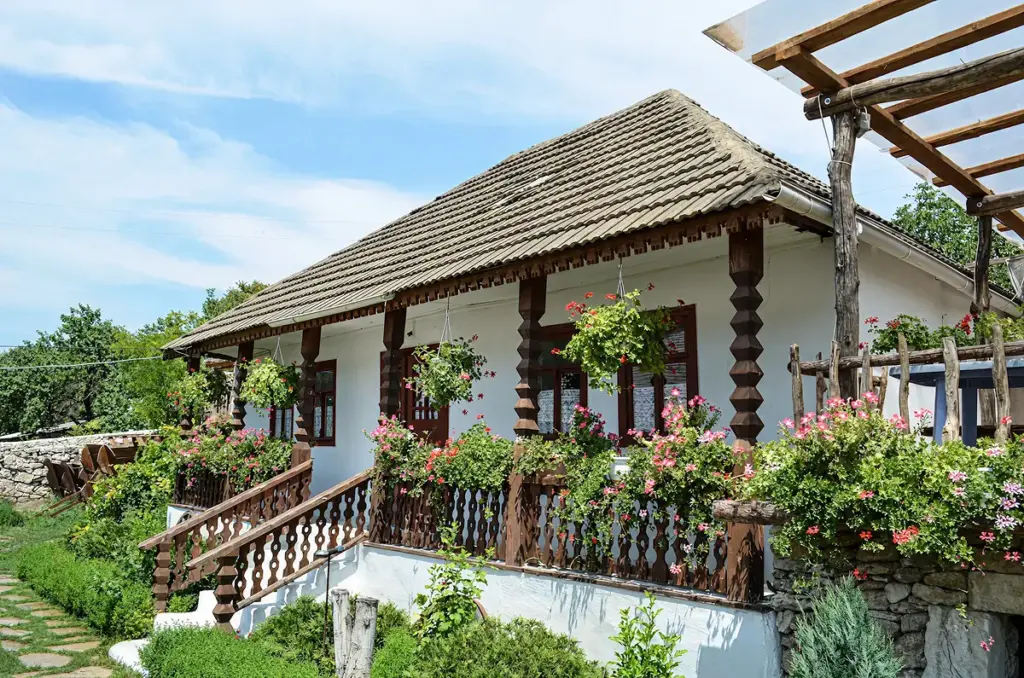
Experience traditional local life through fresh homemade food and genuine hospitality.

Discover more

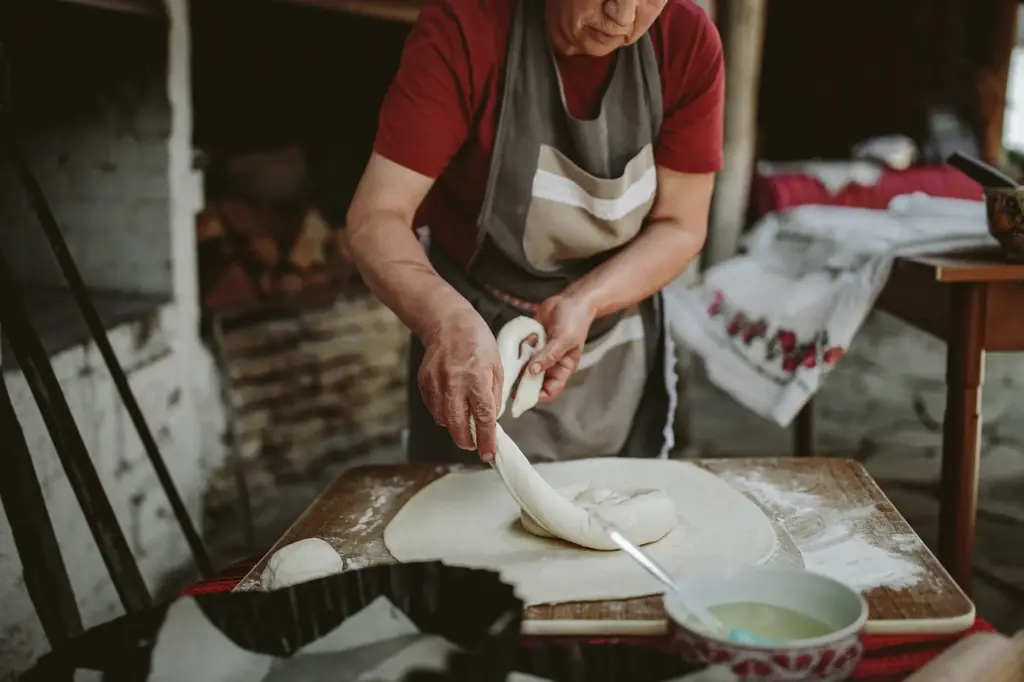
Farm-to-Table Experiences

Enjoy authentic Moldovan cuisine made from fresh, local ingredients in family homesteads.

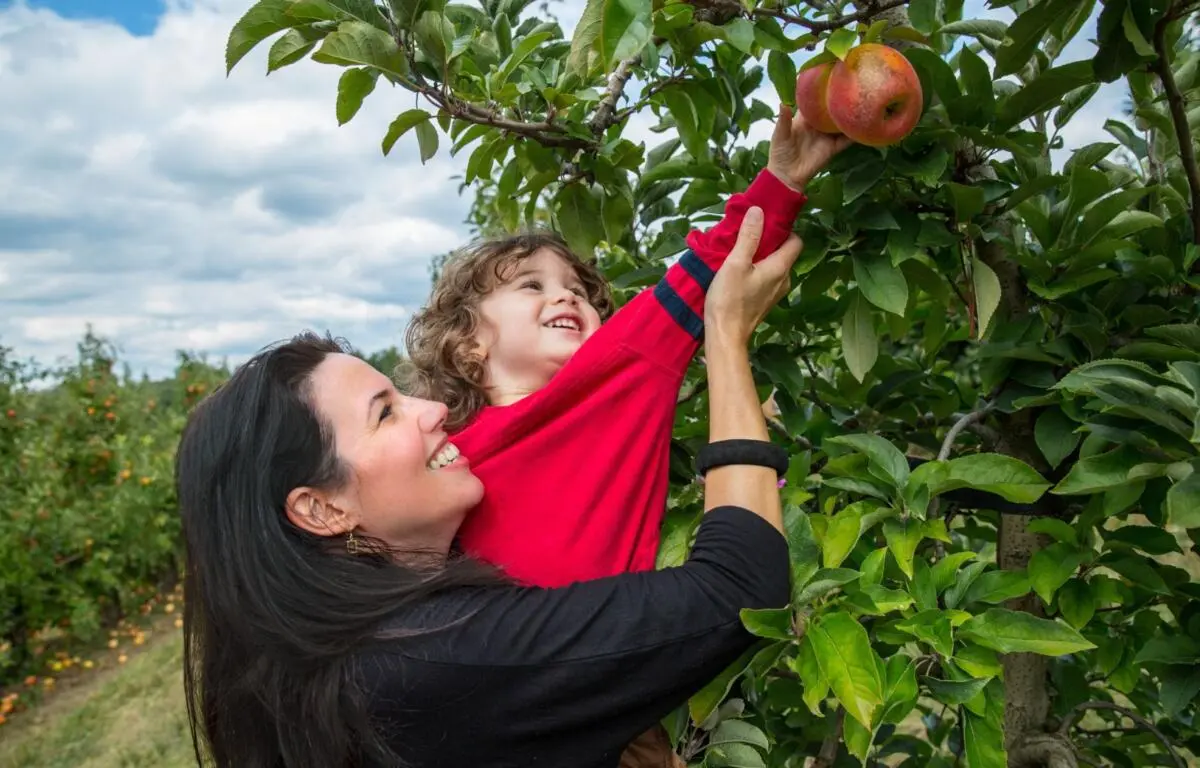
Fruit Picking & Picnics

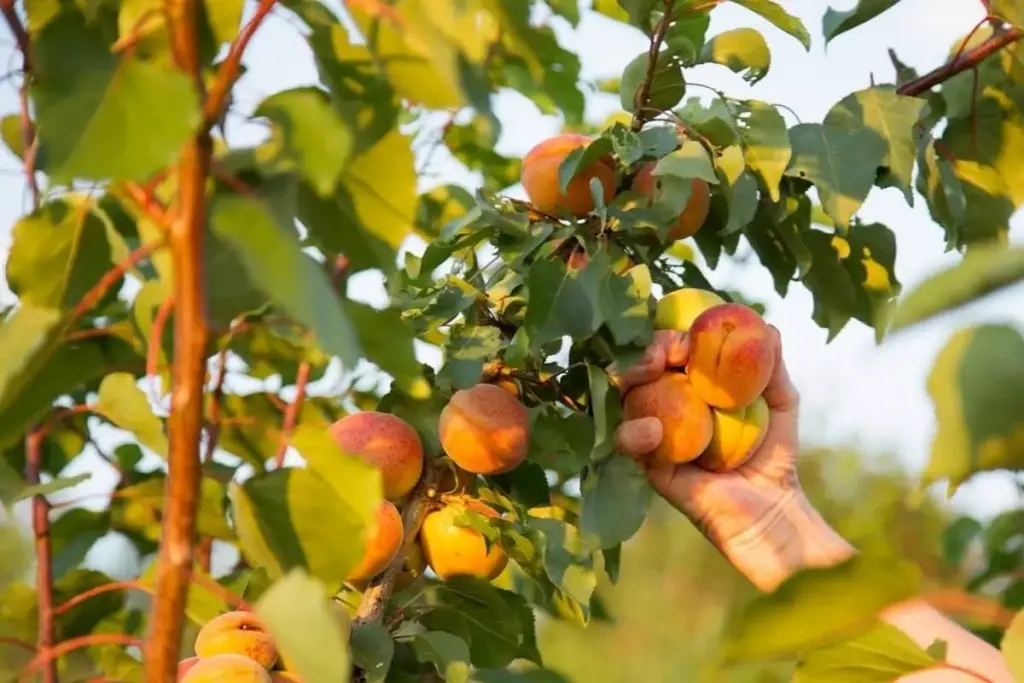
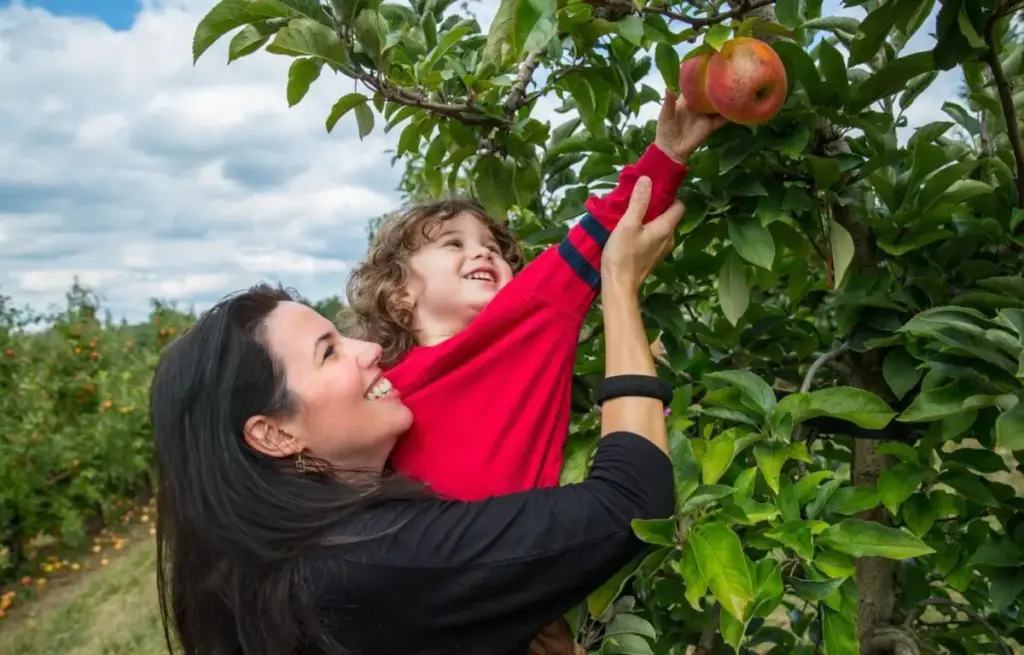
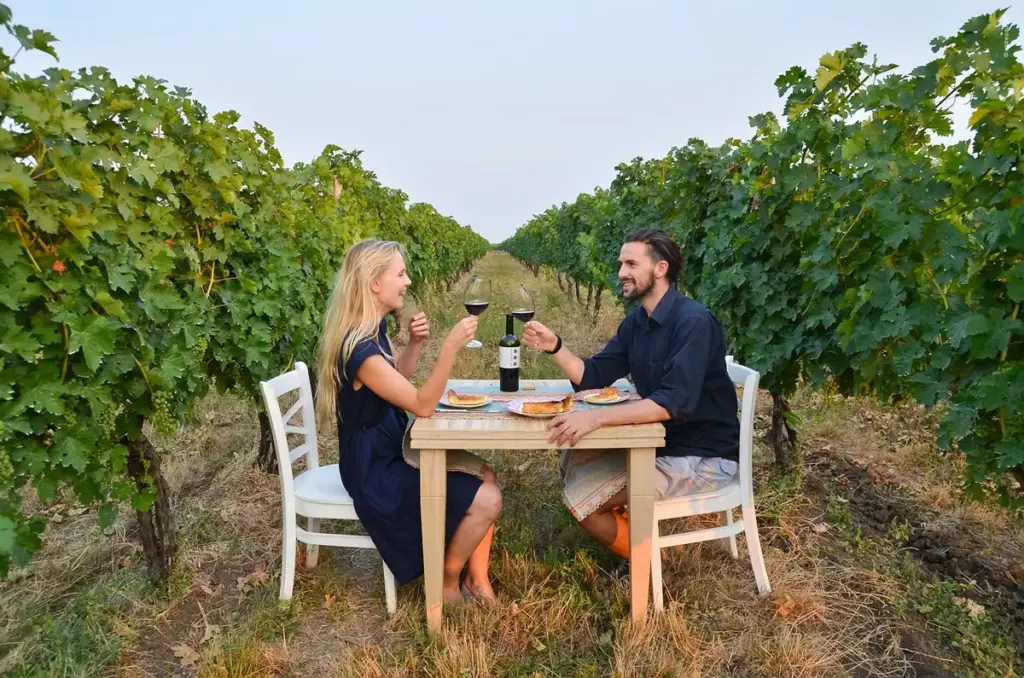
Taste seasonal fruits and enjoy open-air picnics in organic orchards.

Wine Routes

Explore more than 140 Moldovan wineries, including Cricova, the largest underground wine complex in the world, famous for its endless labyrinths and excellent sparkling wines, and Milestii Mici, the world’s largest underground wine cellar, housing over 2 million bottles in 120 km of tunnels maintained at a constant 12–14°C since 1969.

Craft Workshops

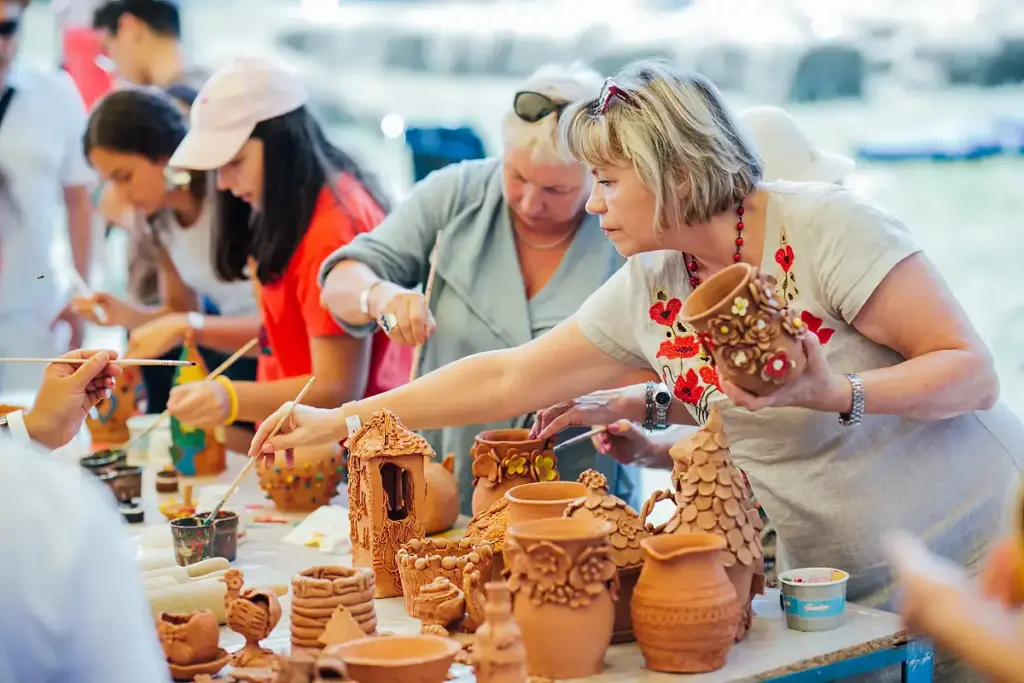
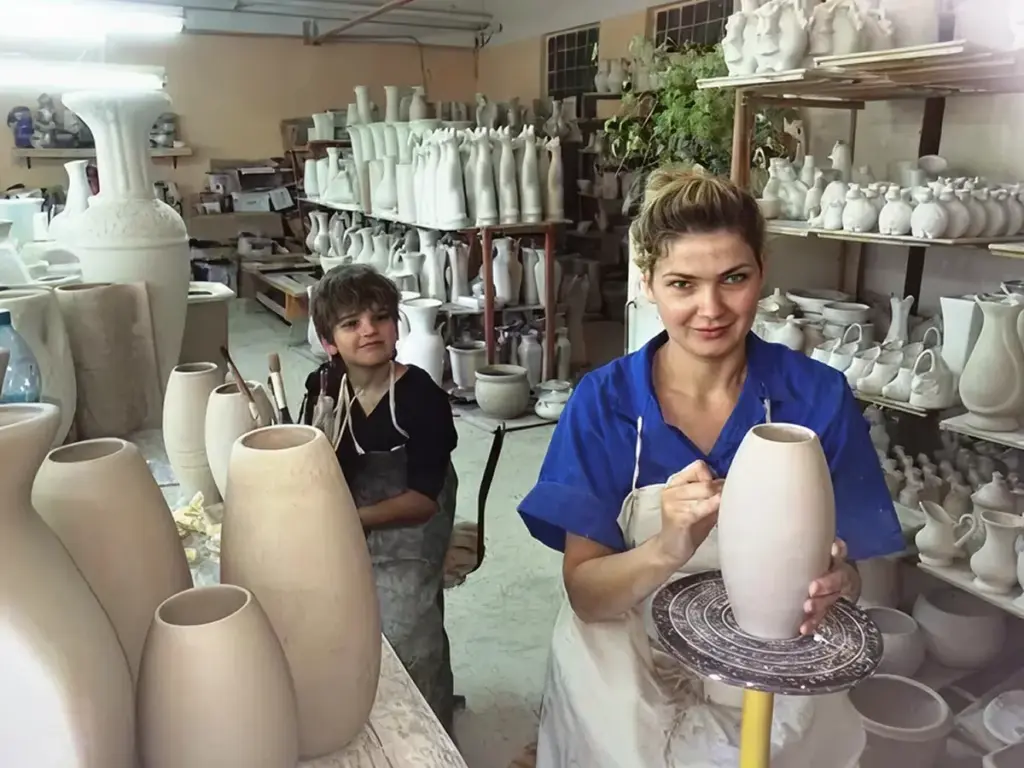
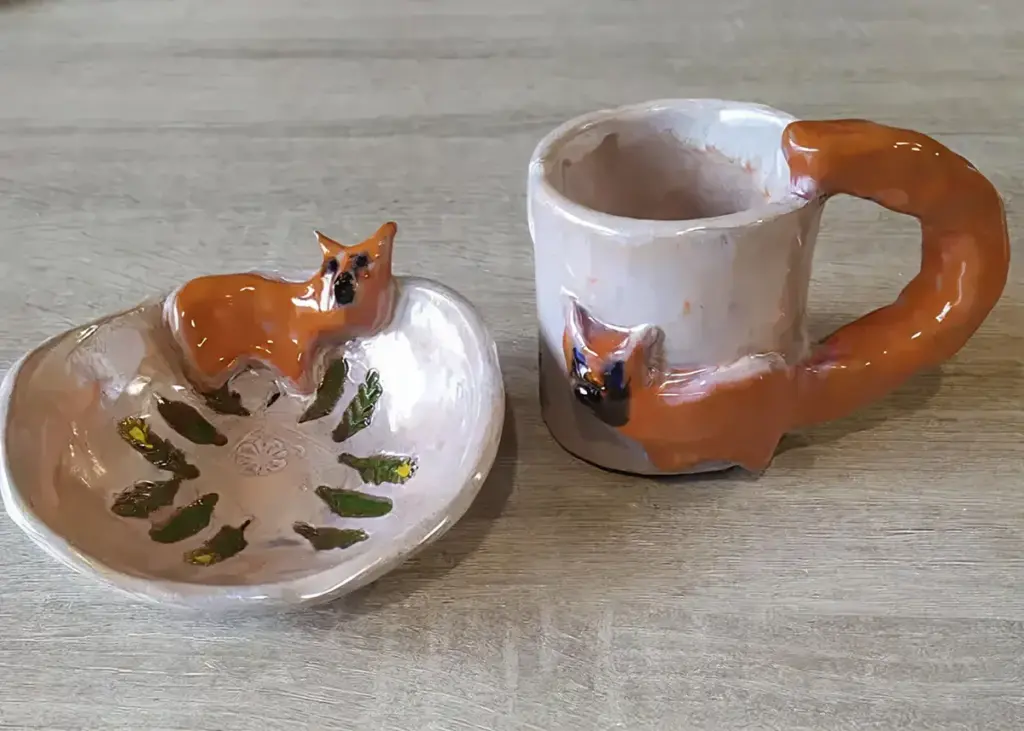
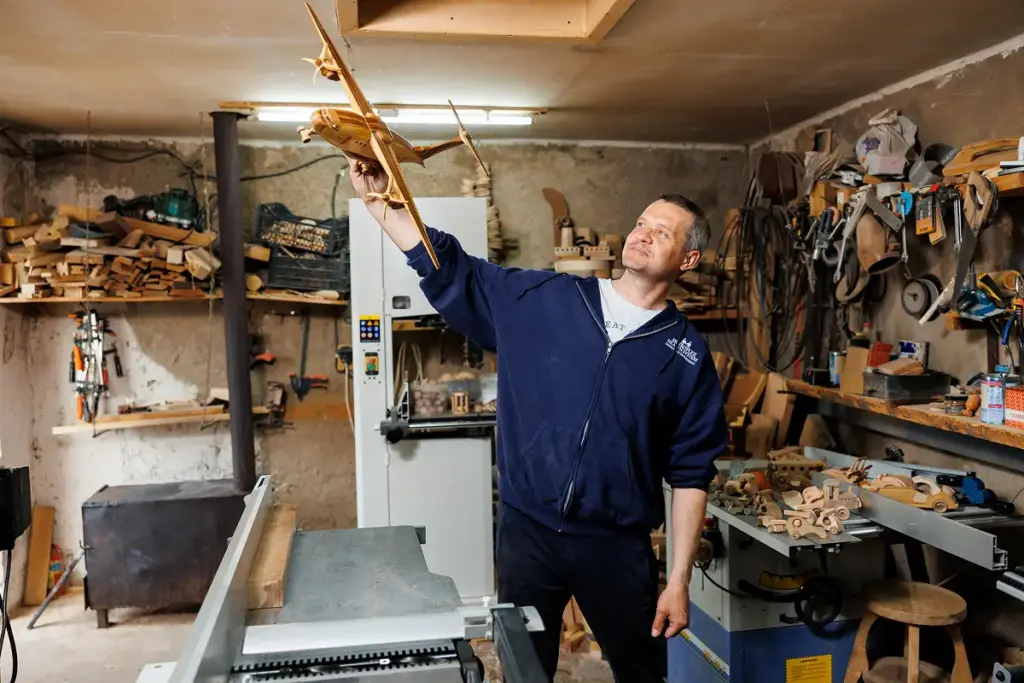
Try your hand at traditional crafts such as pottery, weaving, wood carving, embroidery, and folk mask making.

Monastery Trails

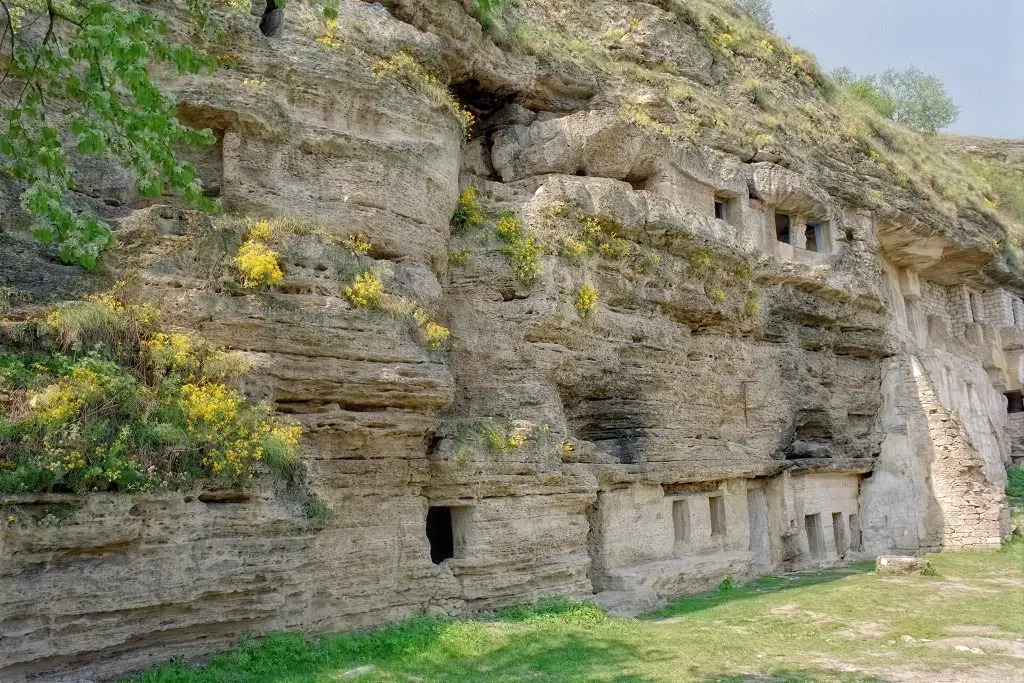
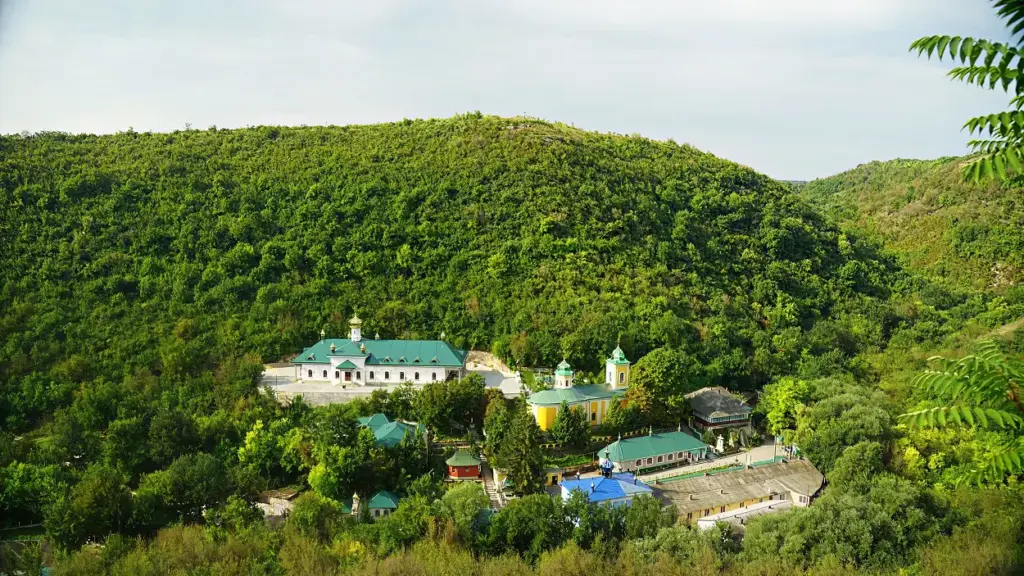
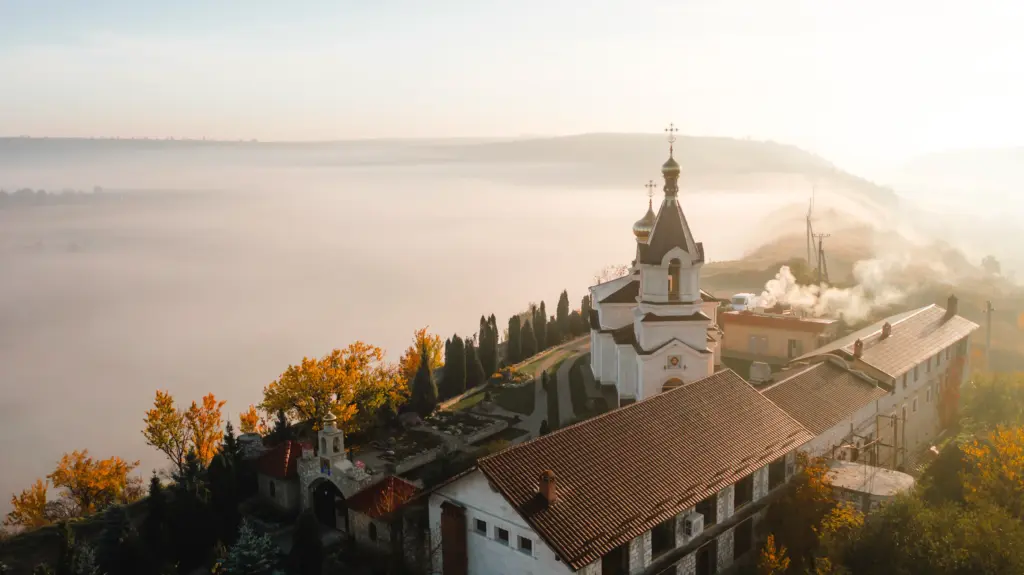
Visit the spiritual landmarks of Saharna, Țipova, Căpriana and Hâncu monasteries.

Music & Folklore Events

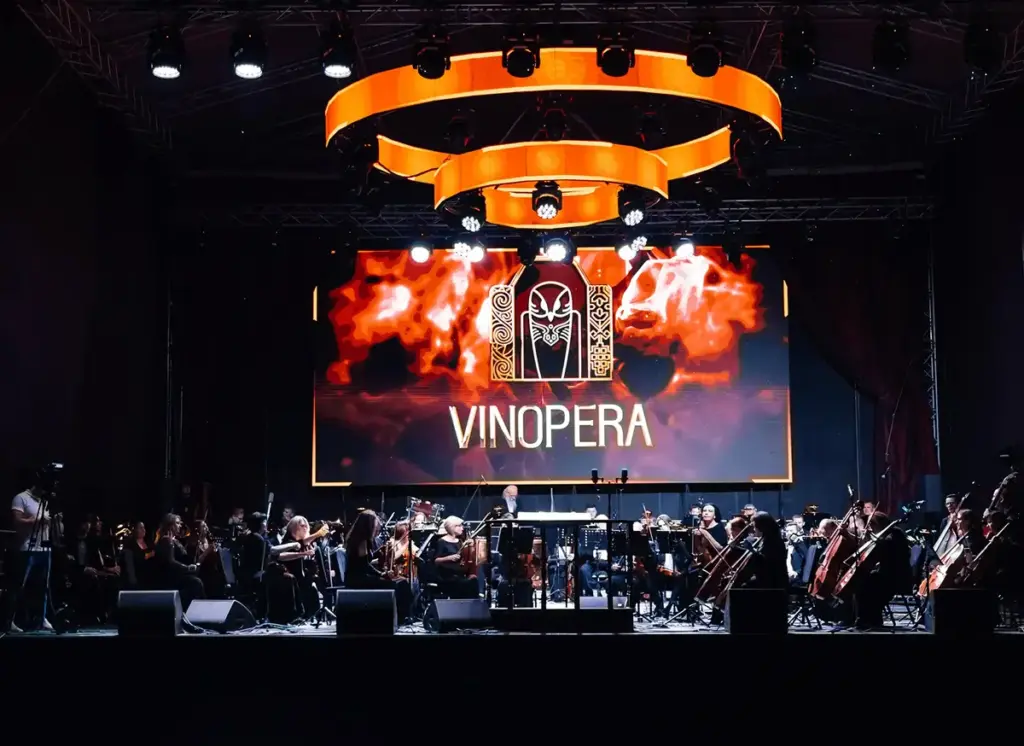
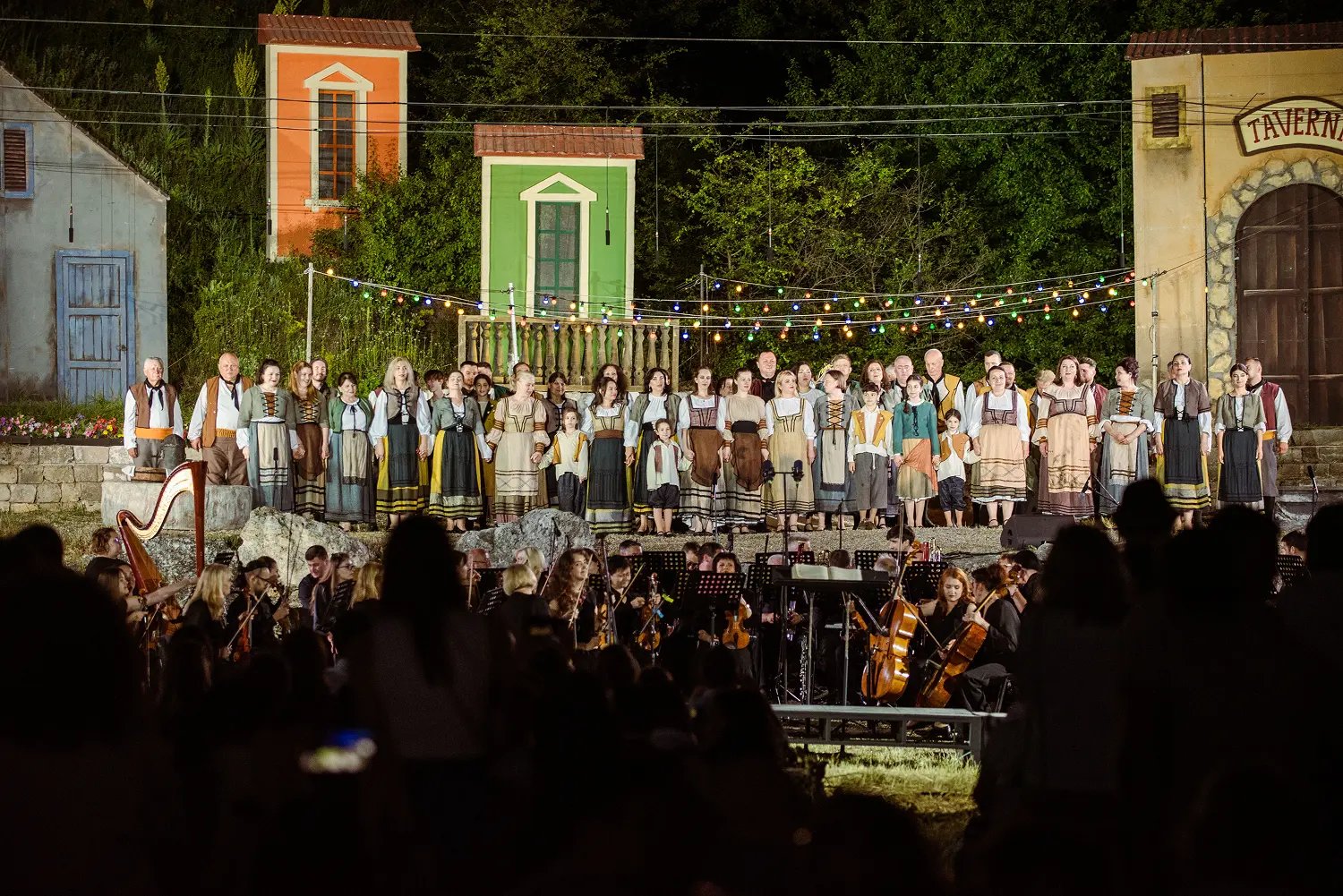
Enjoy live performances and festivals that celebrate Moldova’s artistic soul — from VinOpera and the Maria Bieșu Festival to lively folklore, wine, and gastronomy events.

Old Towns & Villages

Stroll through Chișinău’s historic center and discover the charm of Orheiul Vechi, Butuceni, Lalova.

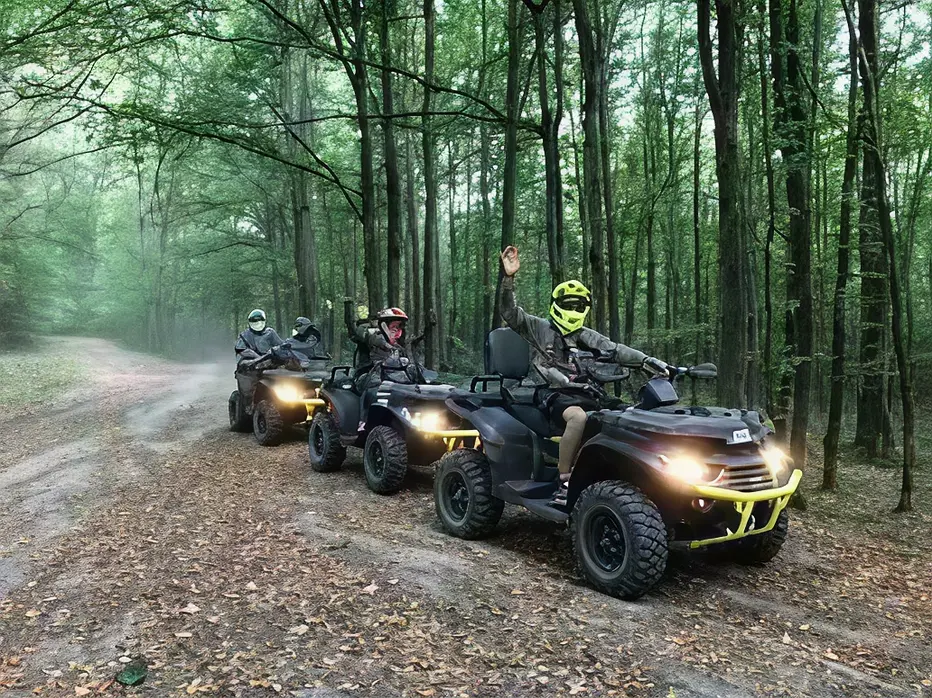
ATV & Off-Road Adventures

Ride across forest trails, rolling hills, and river valleys for an adrenaline-filled journey through Moldova’s wild landscapes.

Birdwatching & Wildlife Tours

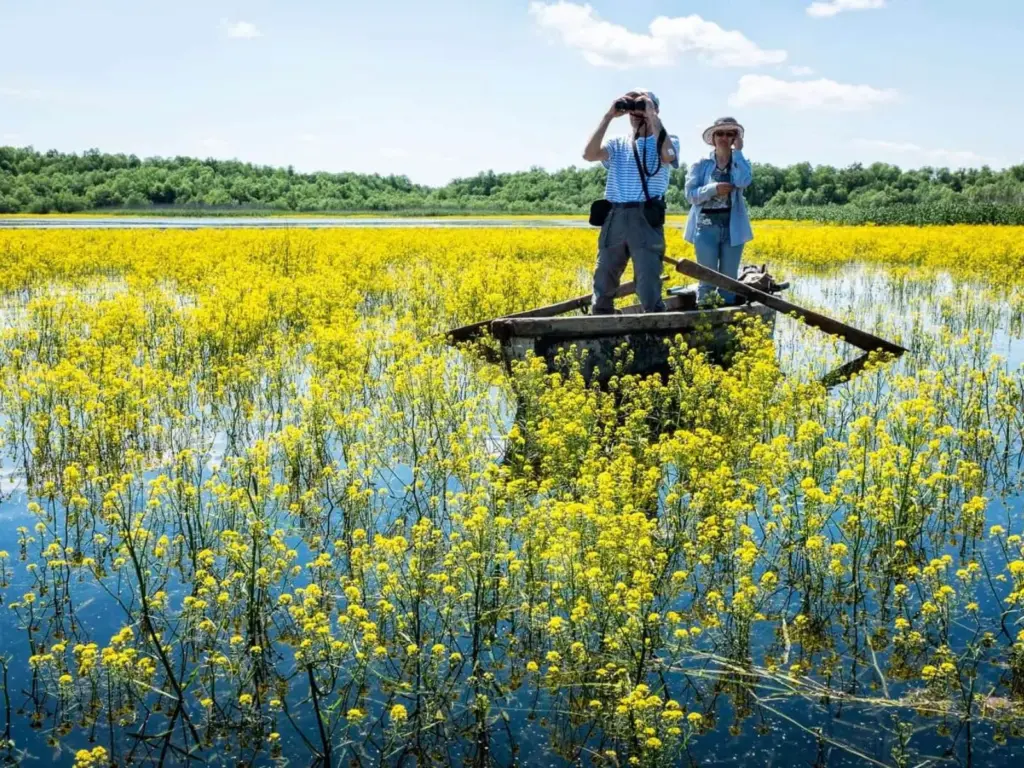
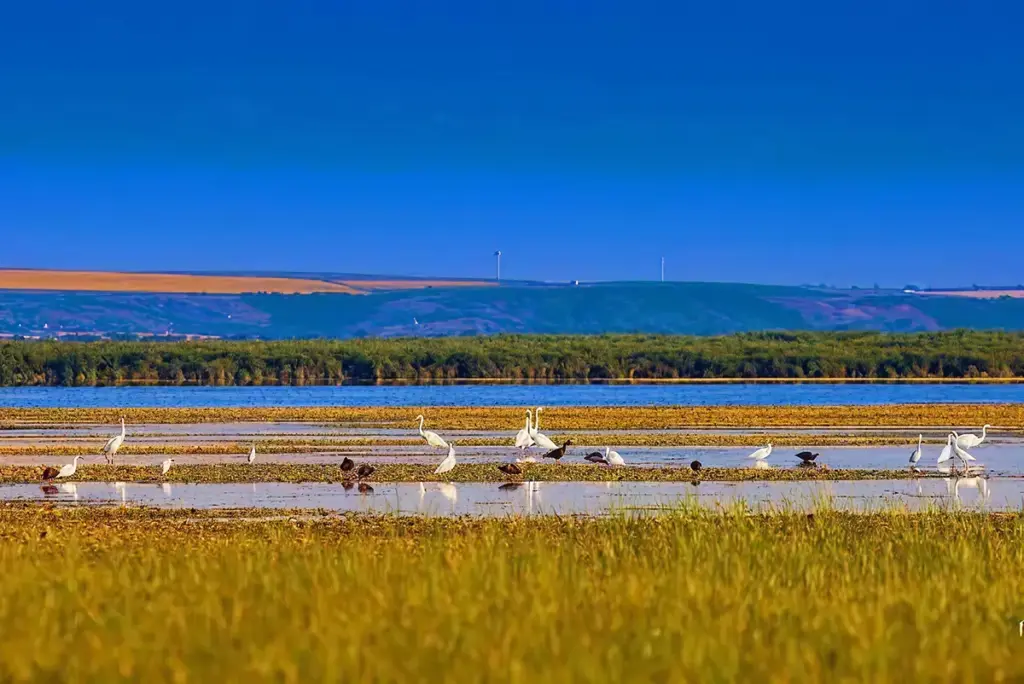
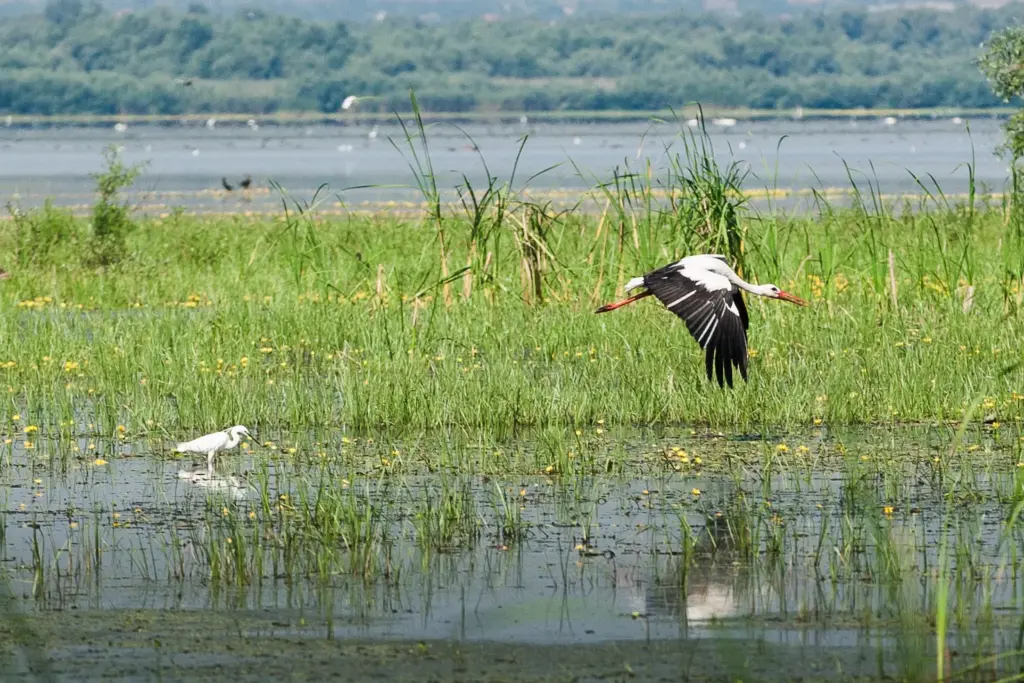
Explore the Lower Prut UNESCO Biosphere Reserve, home to rare bird species and tranquil wetlands.

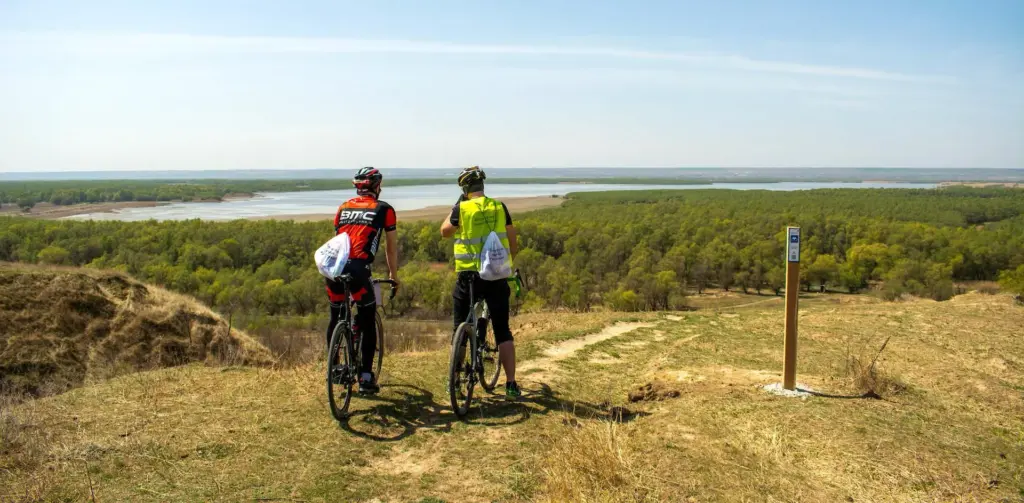
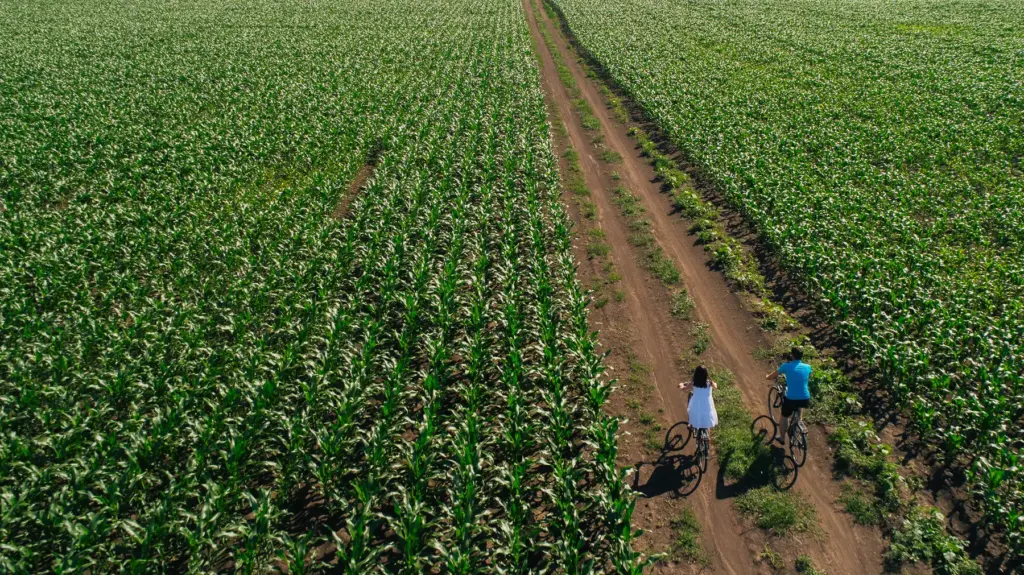
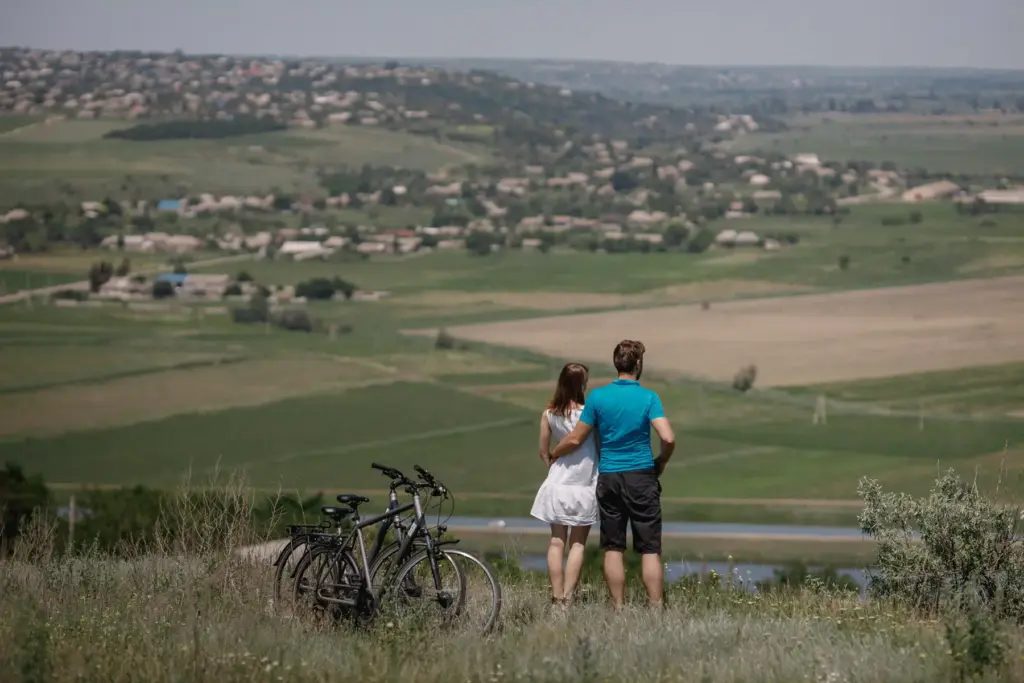
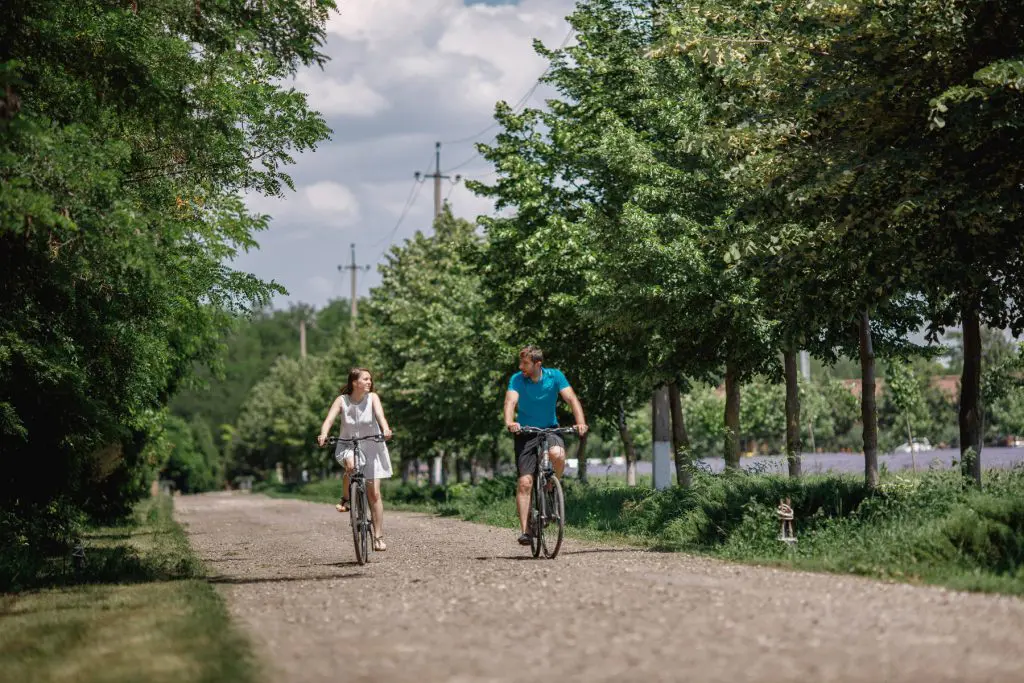
Cycling Tours

Ride along picturesque routes connecting wine villages, sunflower fields, and rustic countryside views.

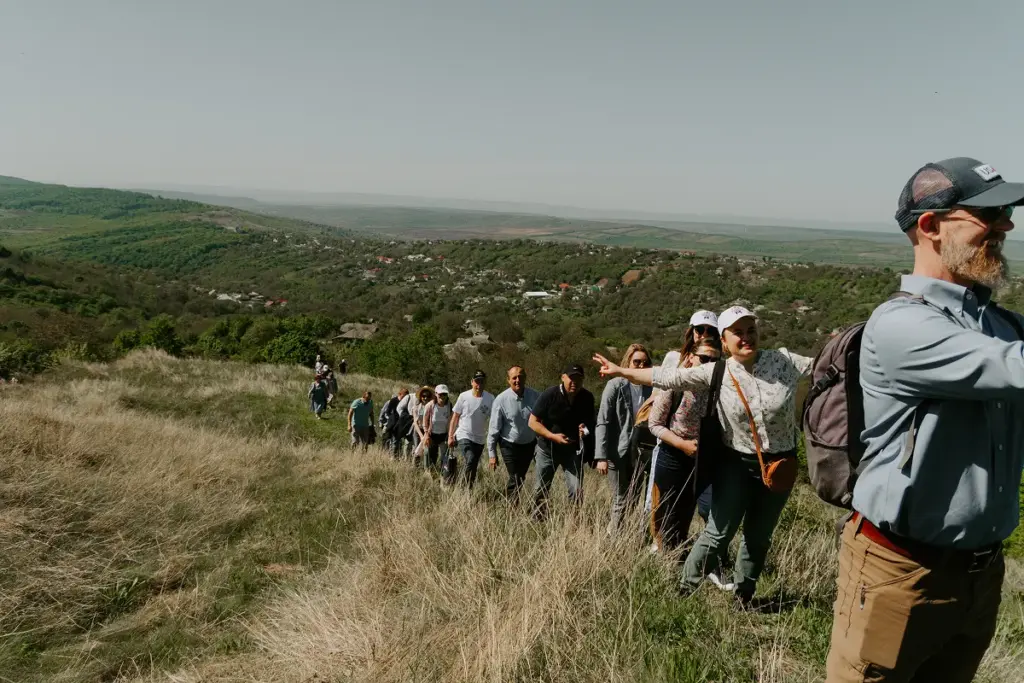
Hiking

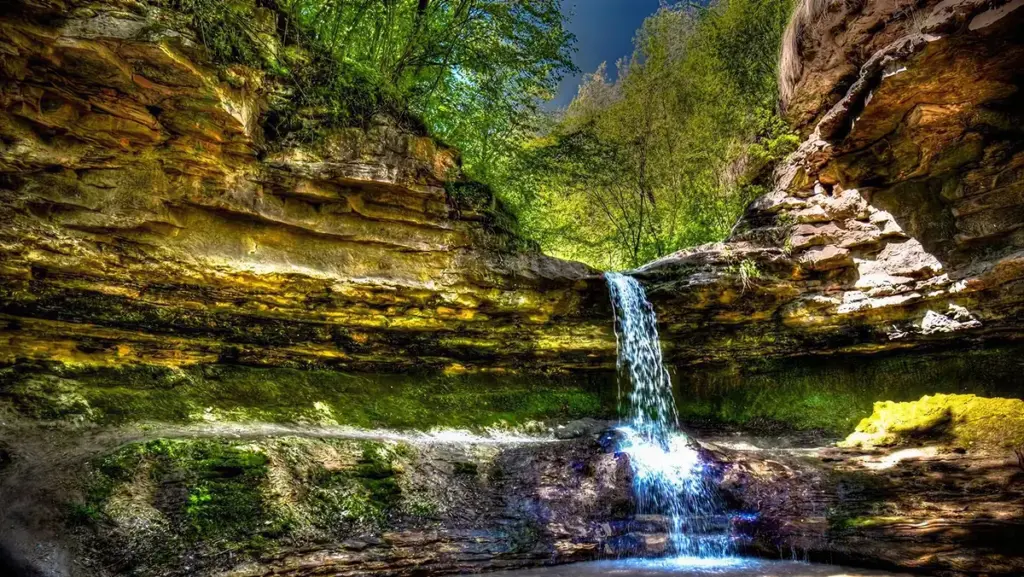
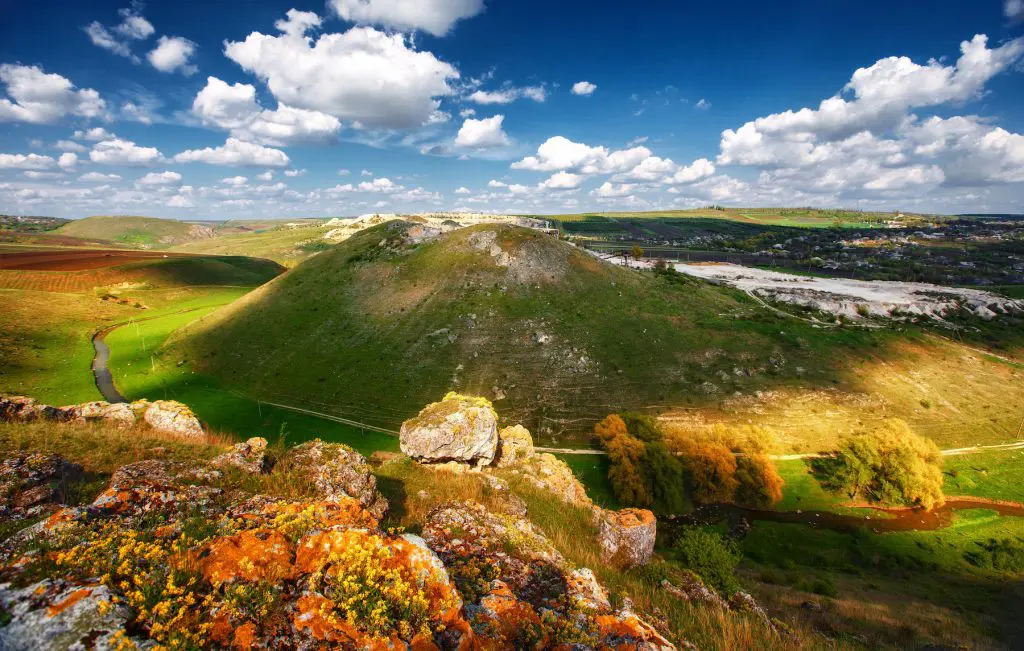
Explore scenic trails through the Codrii forests, the Saharna–Țipova gorge, and the dramatic landscapes of Orheiul Vechi.

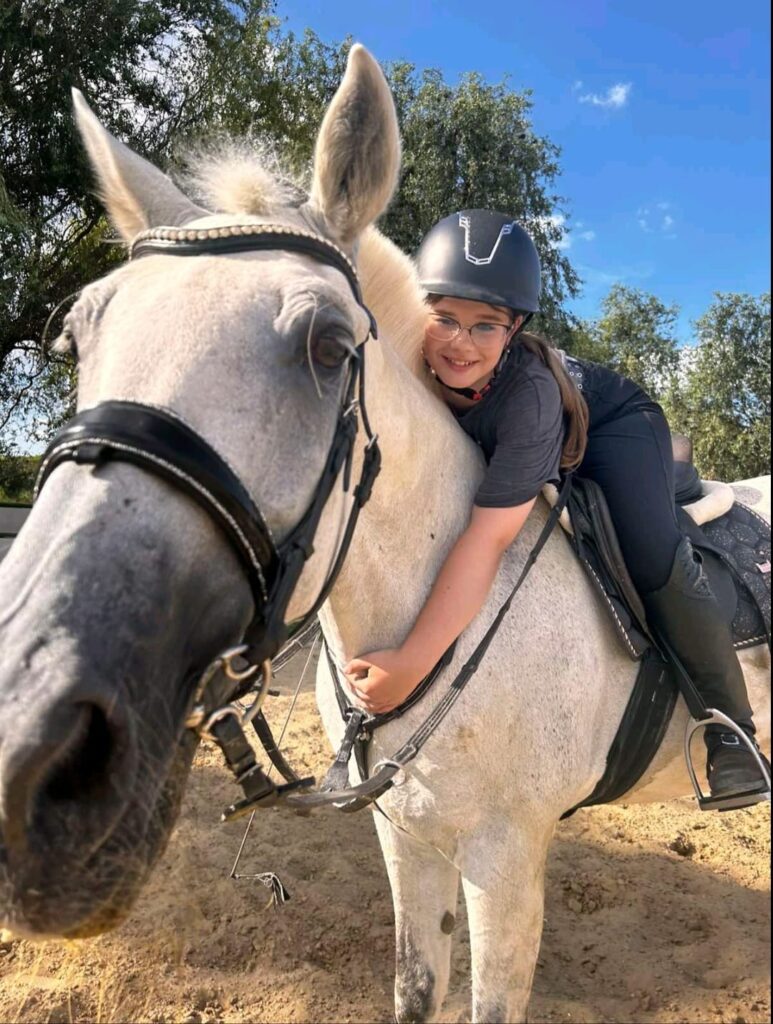
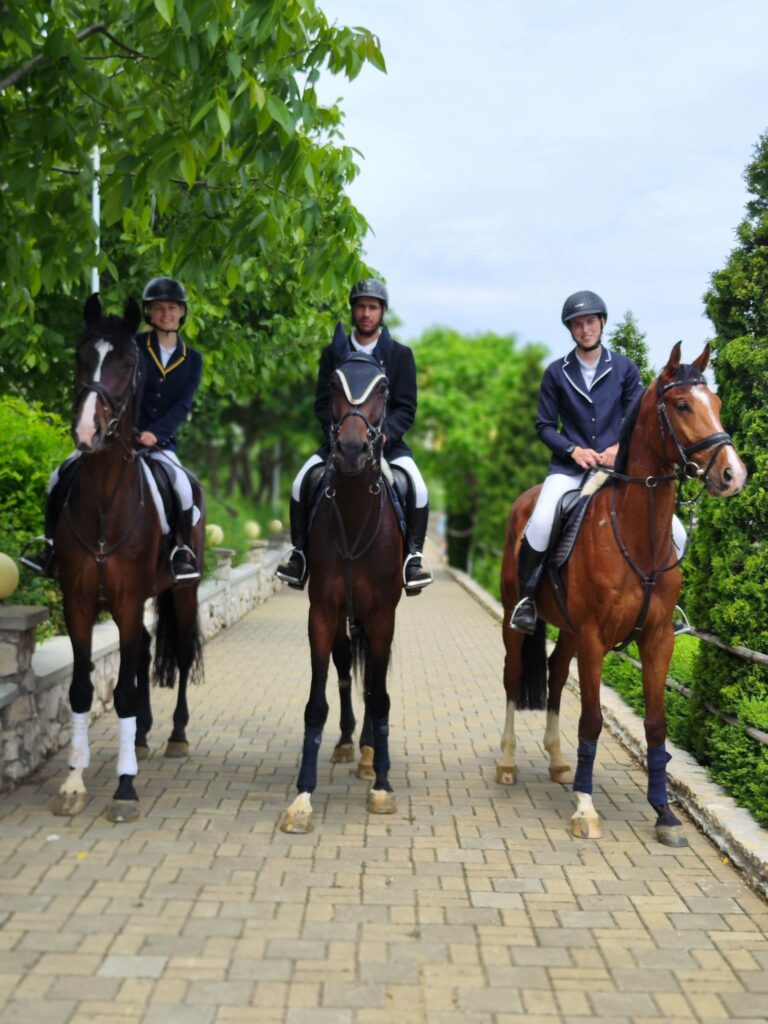
Horseback Riding

Peaceful rides through rural trails and traditional guesthouses.

Hot Air Balloon Rides

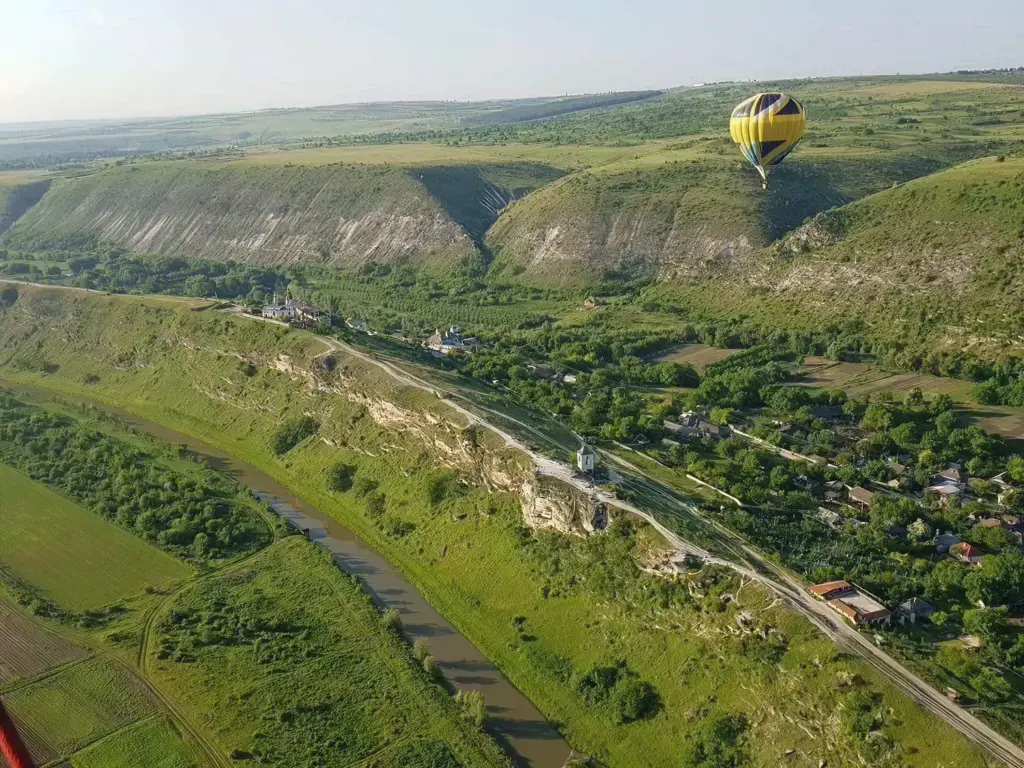
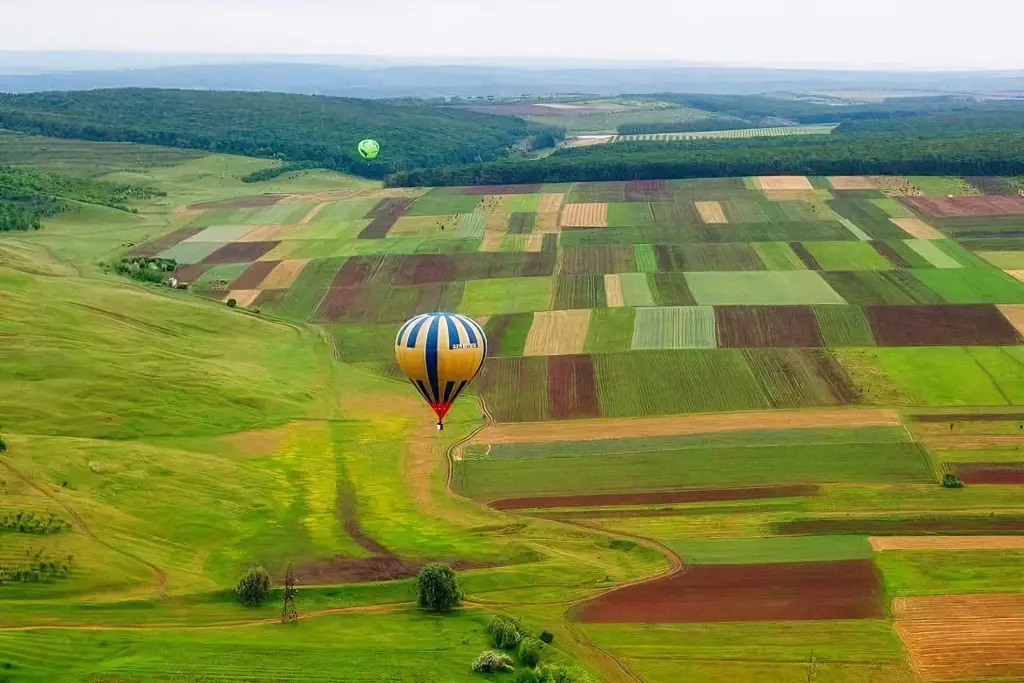
Enjoy panoramic flights over vineyards, rolling valleys, and charming villages

Kayaking & Canoeing

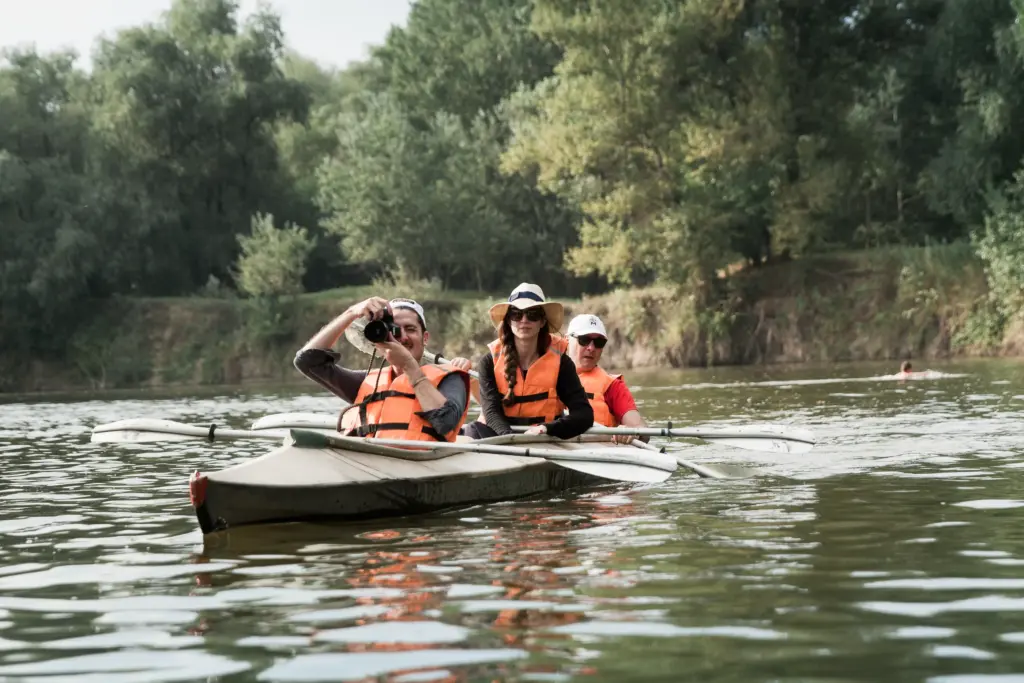
Glide along the Nistru and Prut rivers, surrounded by serene landscapes and steep cliffs.

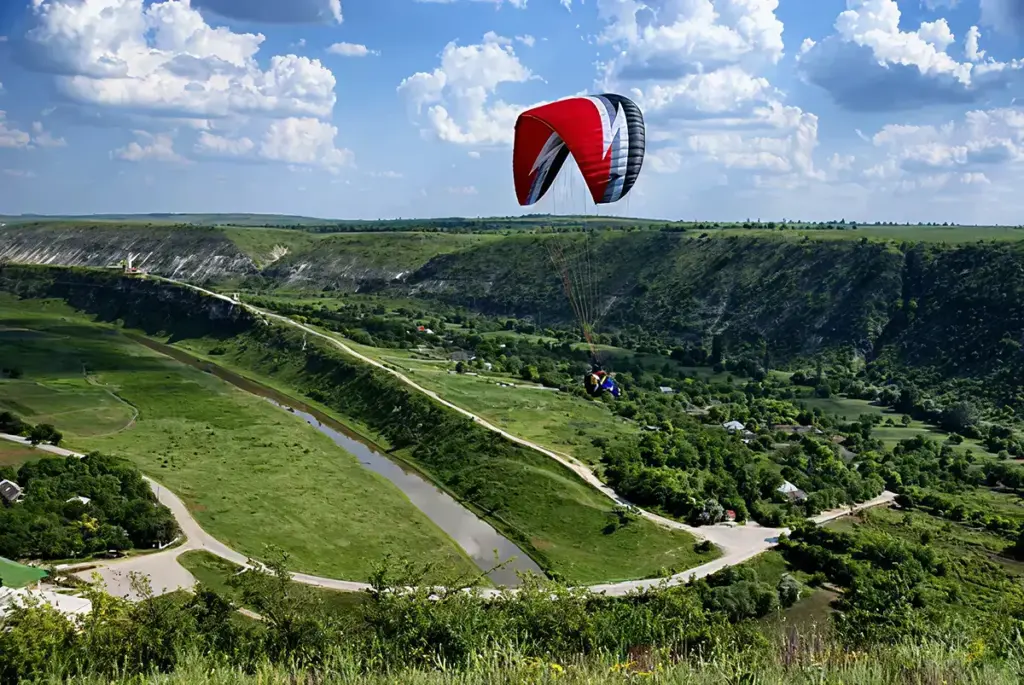
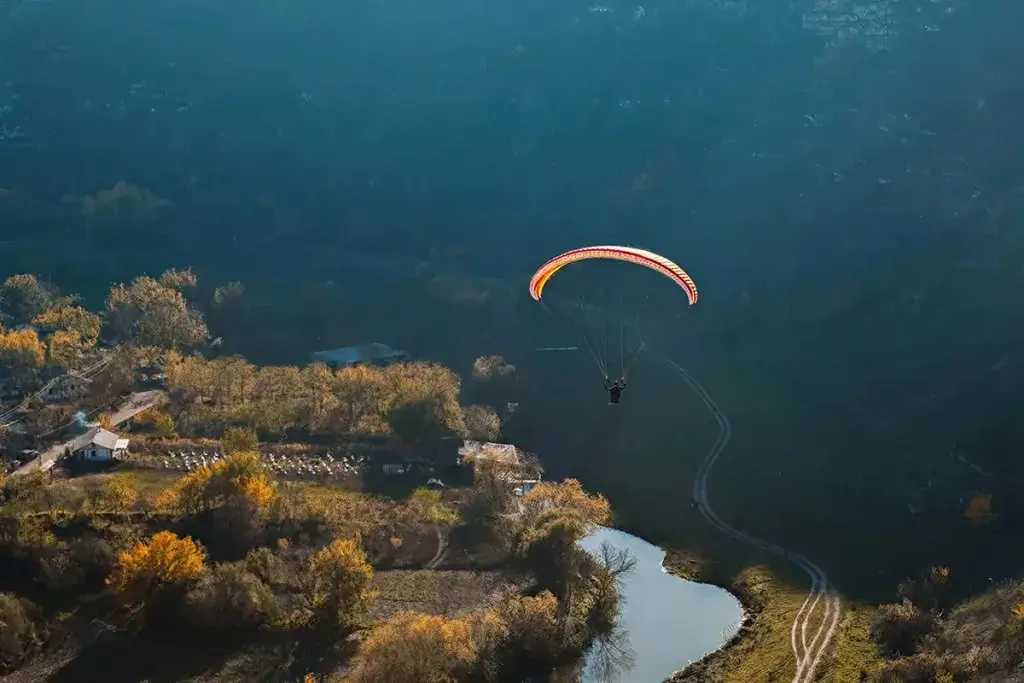
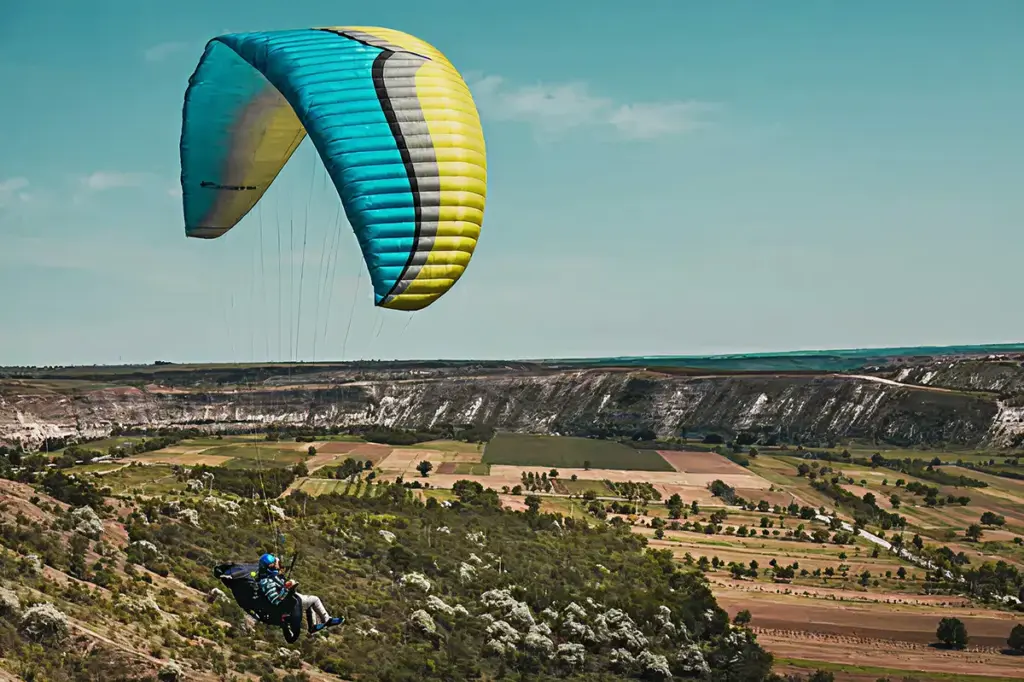
Paragliding

Take off from the hills of Orhei or Soroca for breathtaking views and a touch of adrenaline.

Gastronomy of Moldova:
tradition with pride

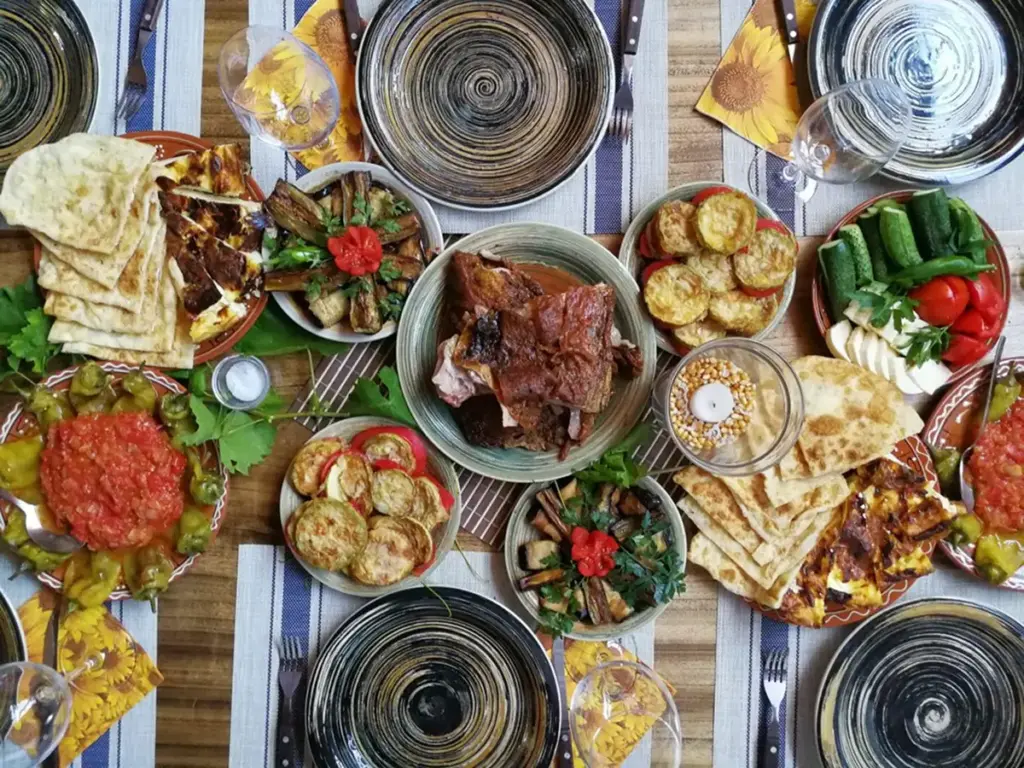
Moldovan gastronomy is a heartfelt blend of tradition, simplicity, and regional richness. Rooted in ancient customs and nourished by fertile land, every dish tells a story of resilience, community, and care. From festive recipes to everyday meals, Moldovan cuisine is not only about flavors - it’s a celebration of who we are and where we come from.
Discover more

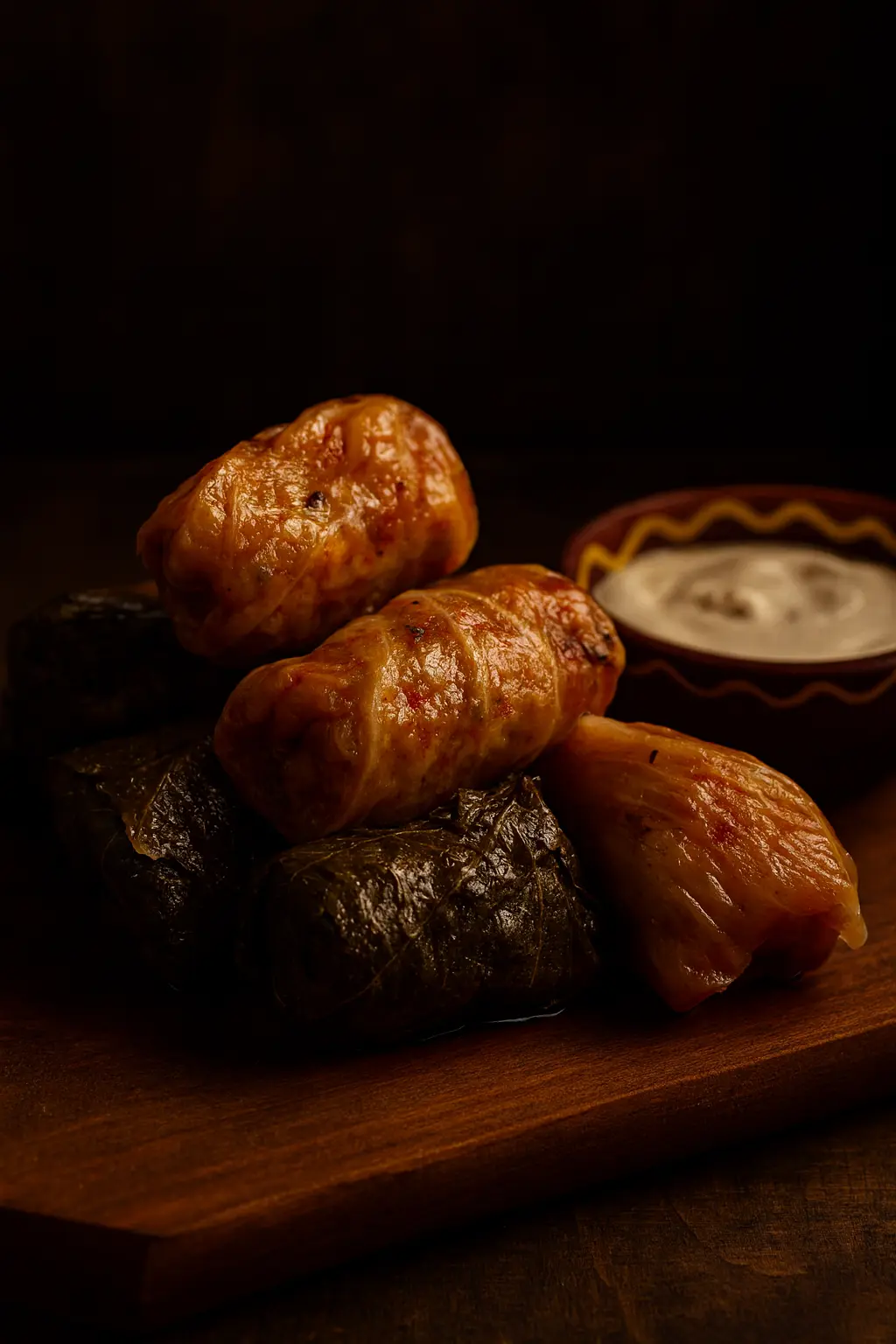
Sarmale

Stuffed cabbage rolls with ground meat, sauteed caramelized onions and rice.
Discover more

Babă neagră

Soft well-baked pudding, that obtains its black colour during the long 4-hour baking process.
Discover more

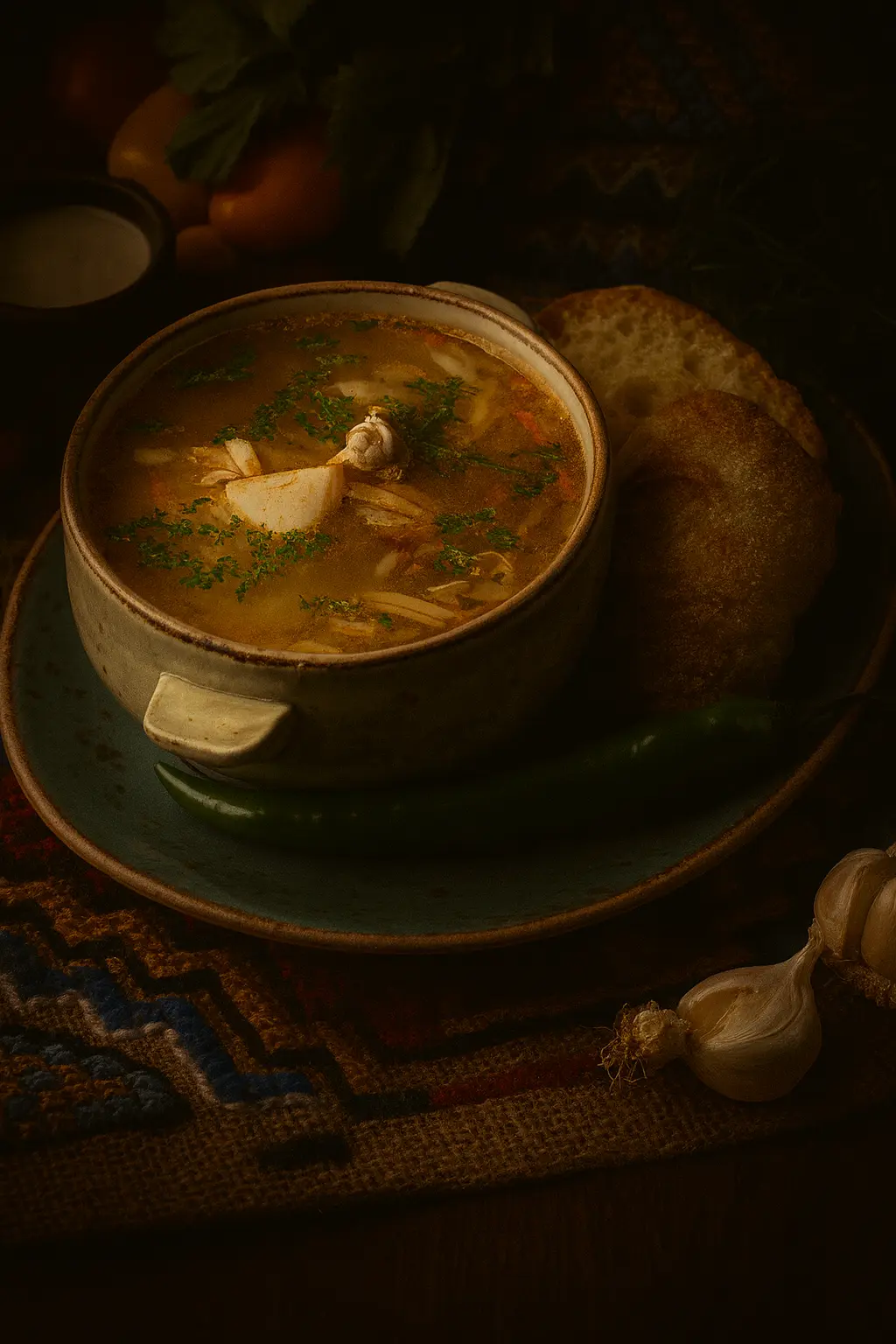
Zeamă

Traditional chicken noodle soup, slightly sour.
Discover more

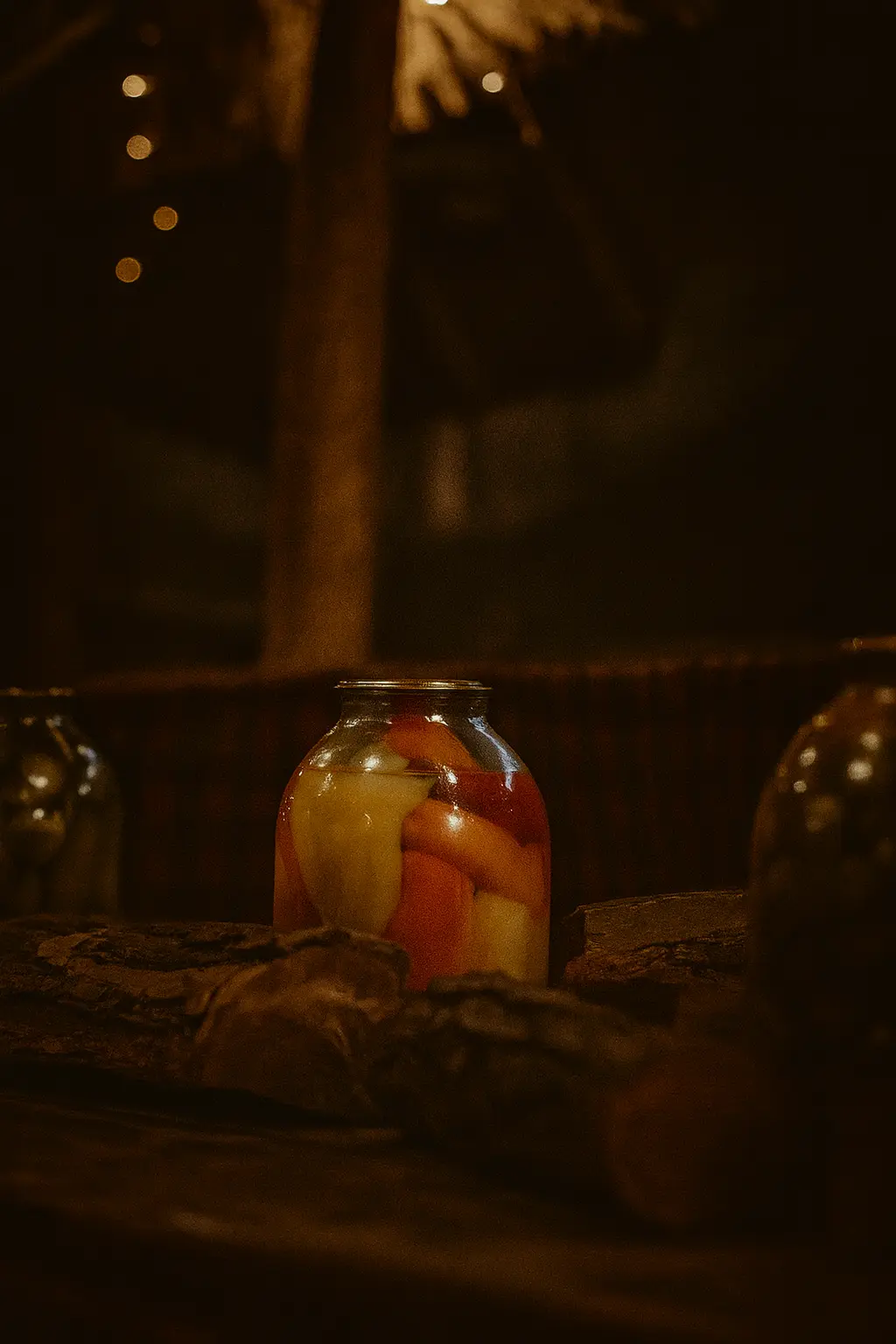
Murături

Locally grown vegetables and fruits pickled in brine or vinegar
Discover more

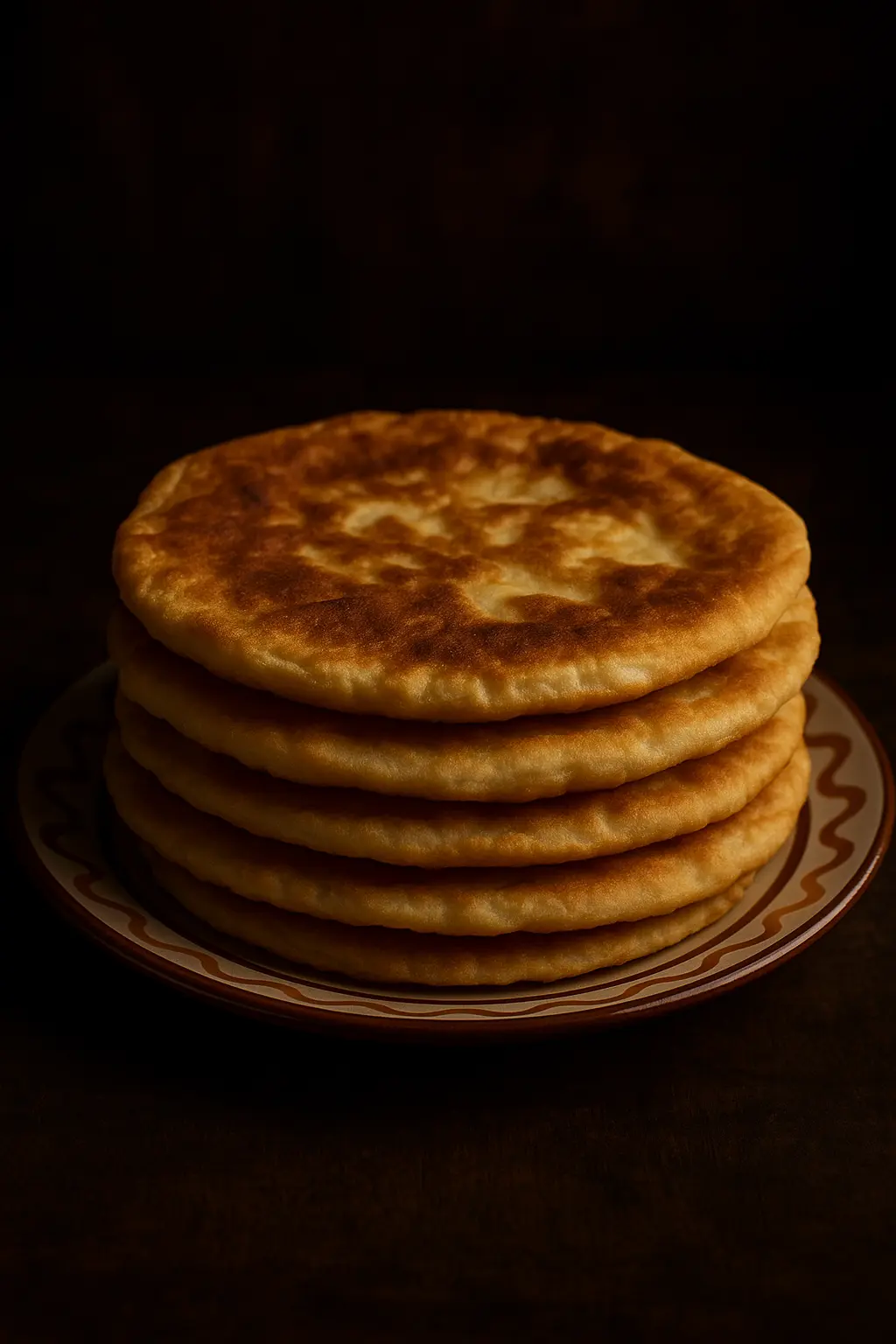
Plăcintă

Puff pastry stuffed with cheese, potatoes, apples or sour cherries.
Discover more

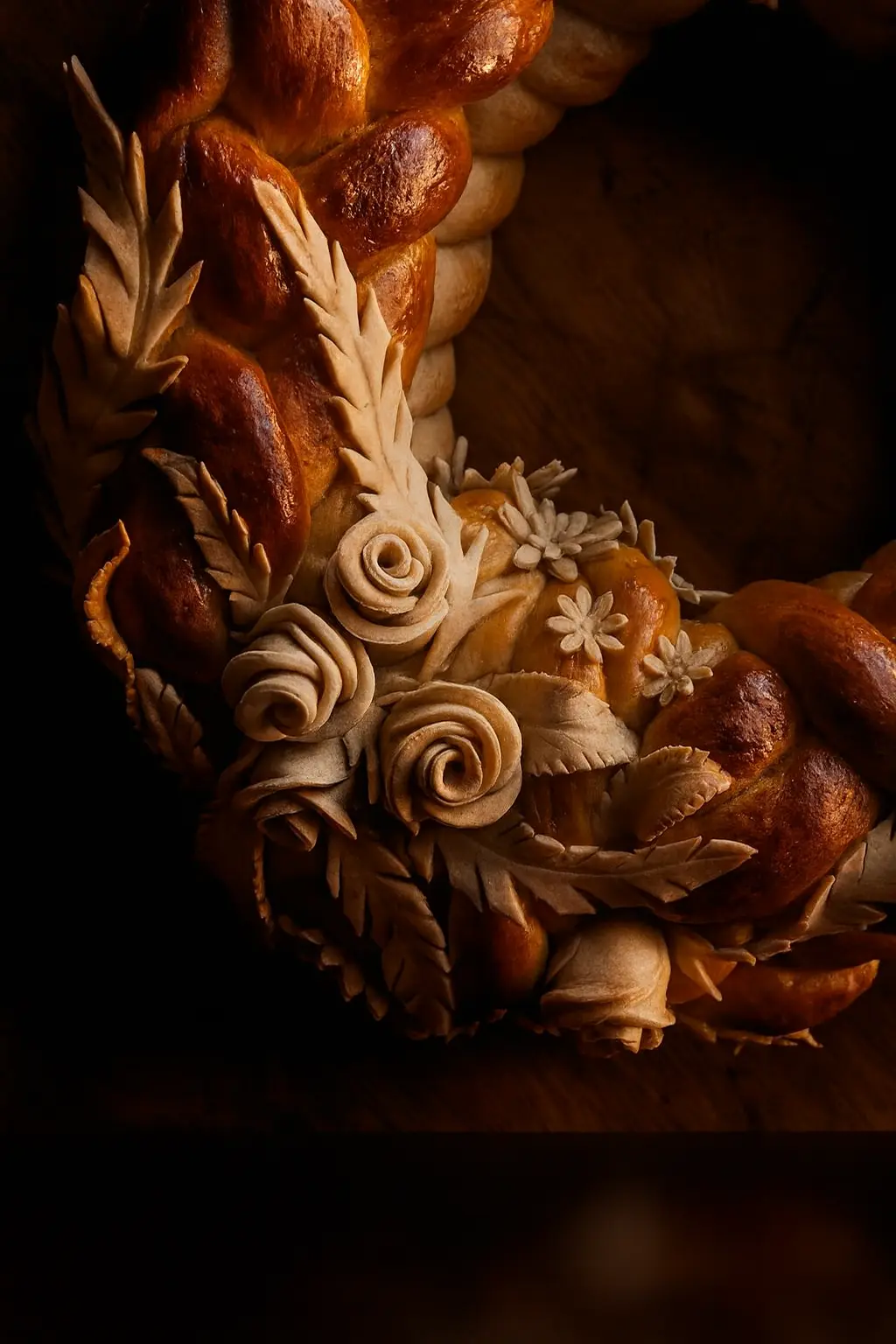
Colac

Slightly sweet yeast-raised egg bread, traditionally made on different occasions and holidays.
Discover more

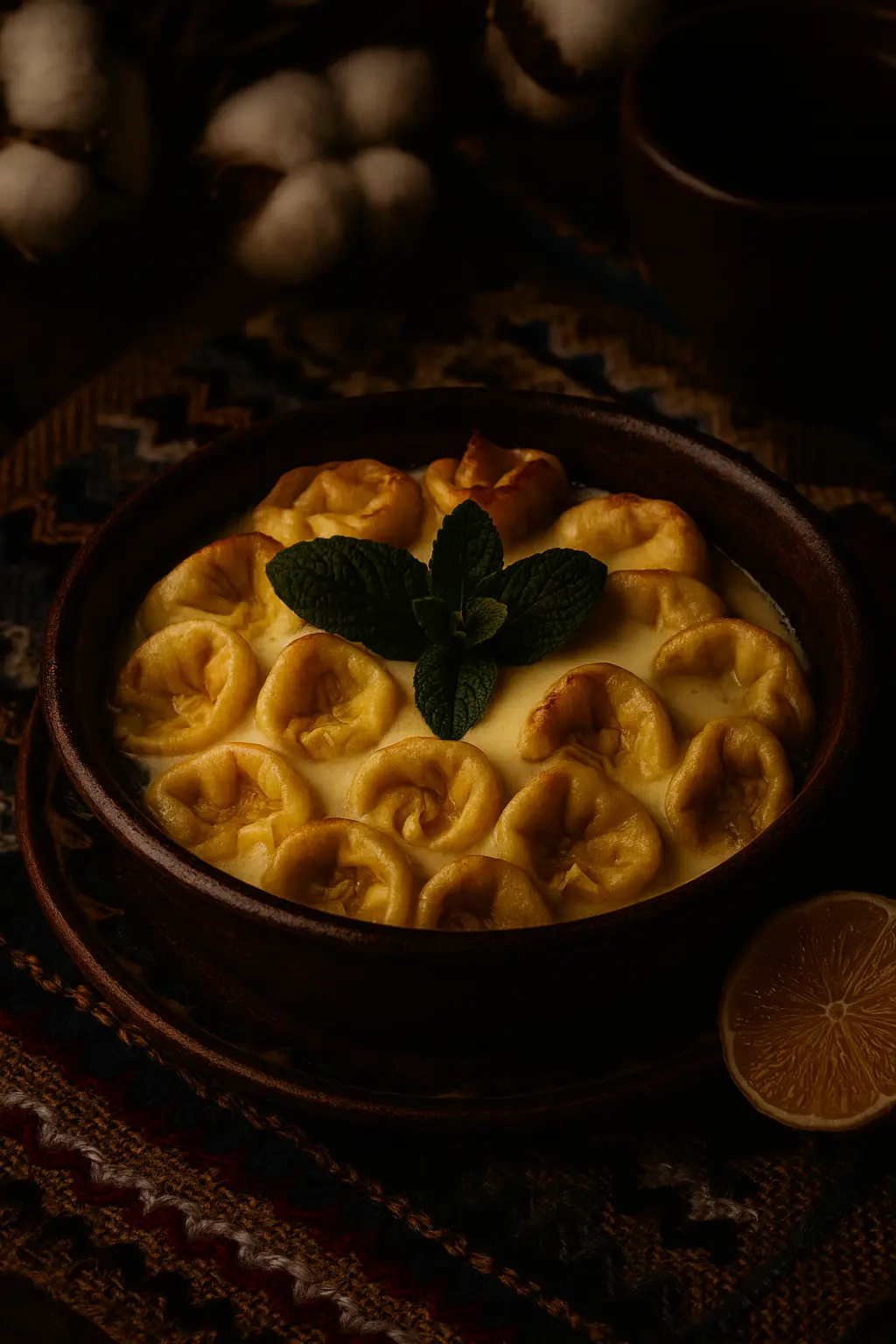
Muli

Small-size pancakes stuffed with sweet cottage cheese and baked in oven.
Discover more

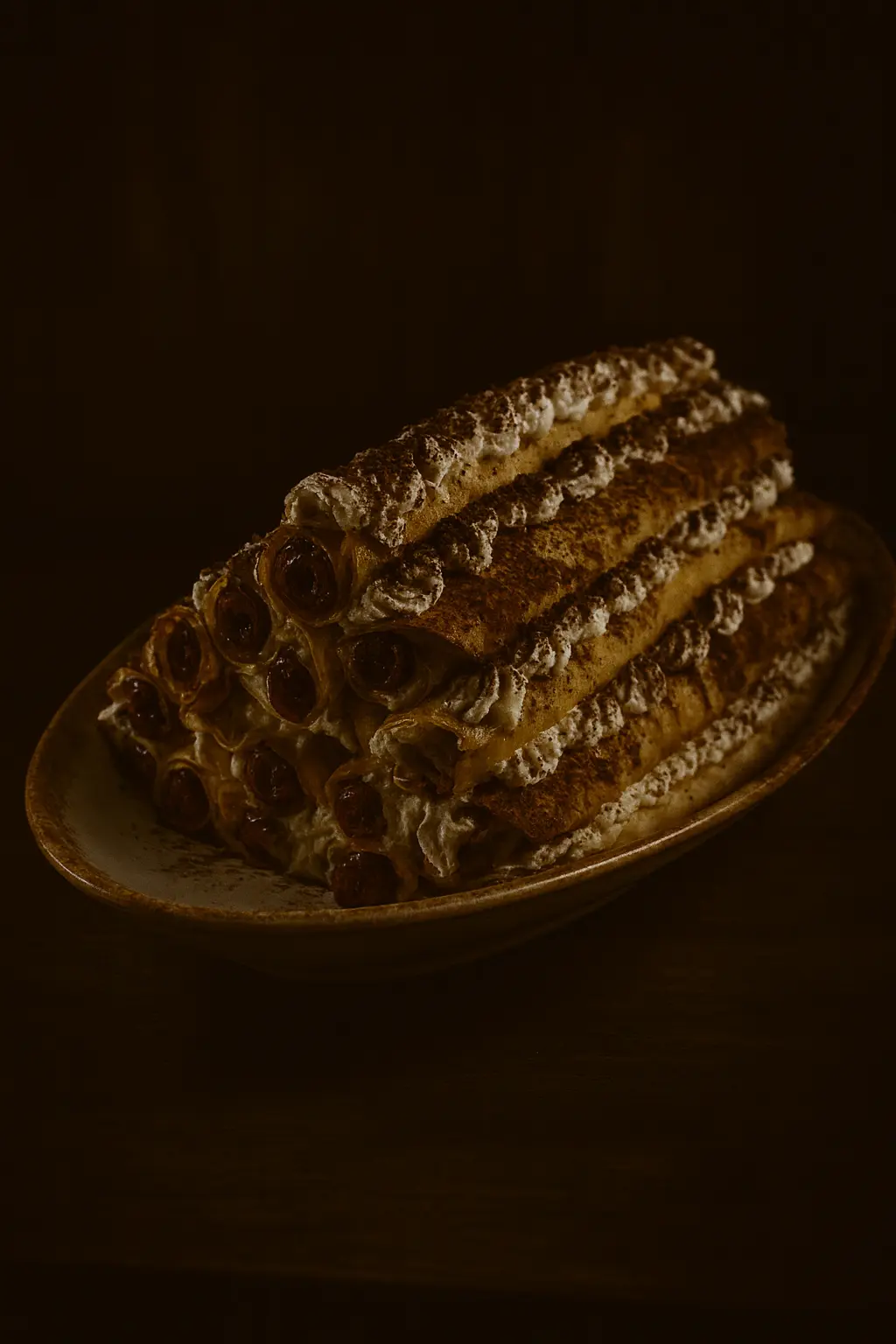
Cușma lui Guguță

Traditional crepe cake stuffed with sour cherries, covered with sour cream and grated chocolate, usually made in a form of hat.
Discover more

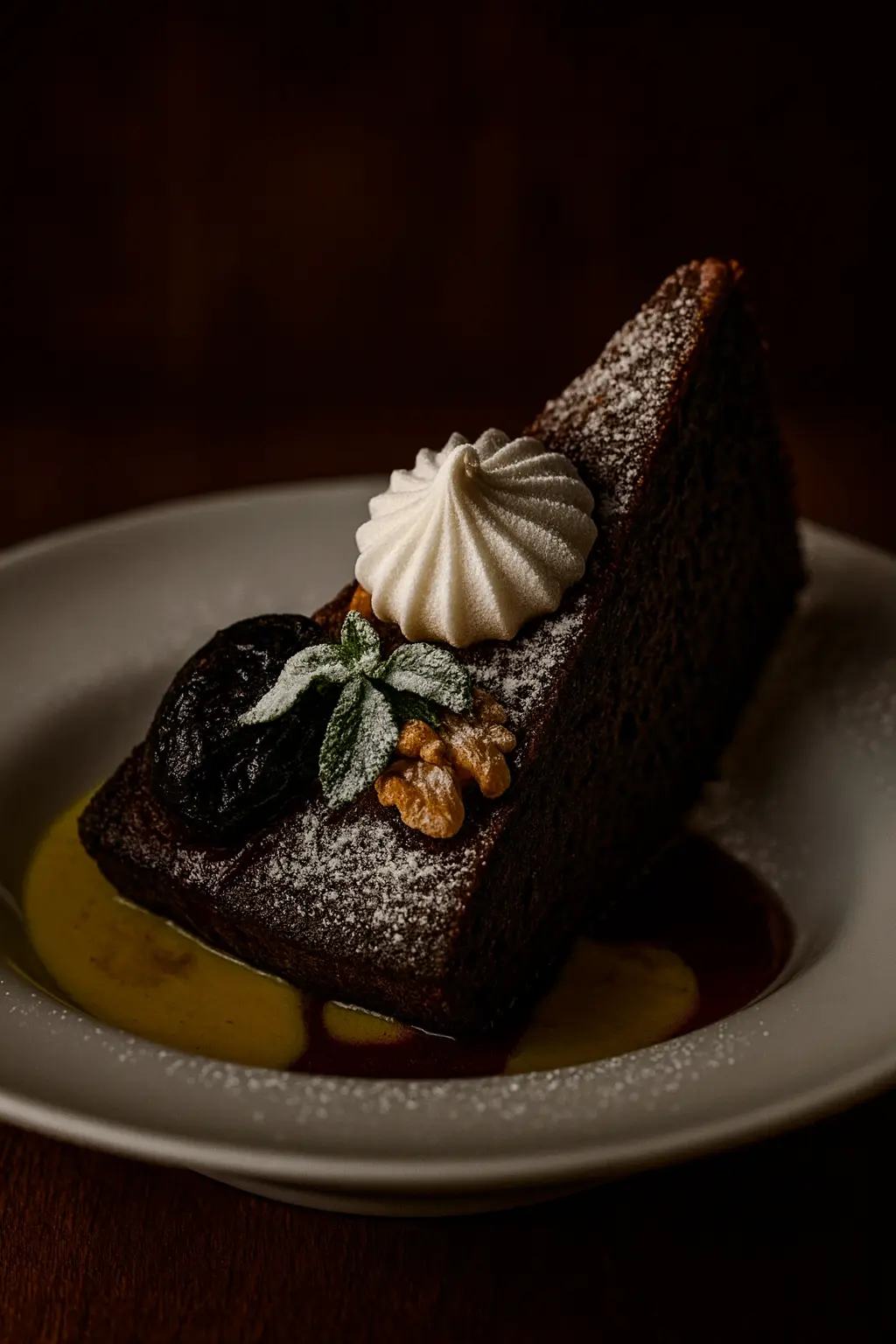
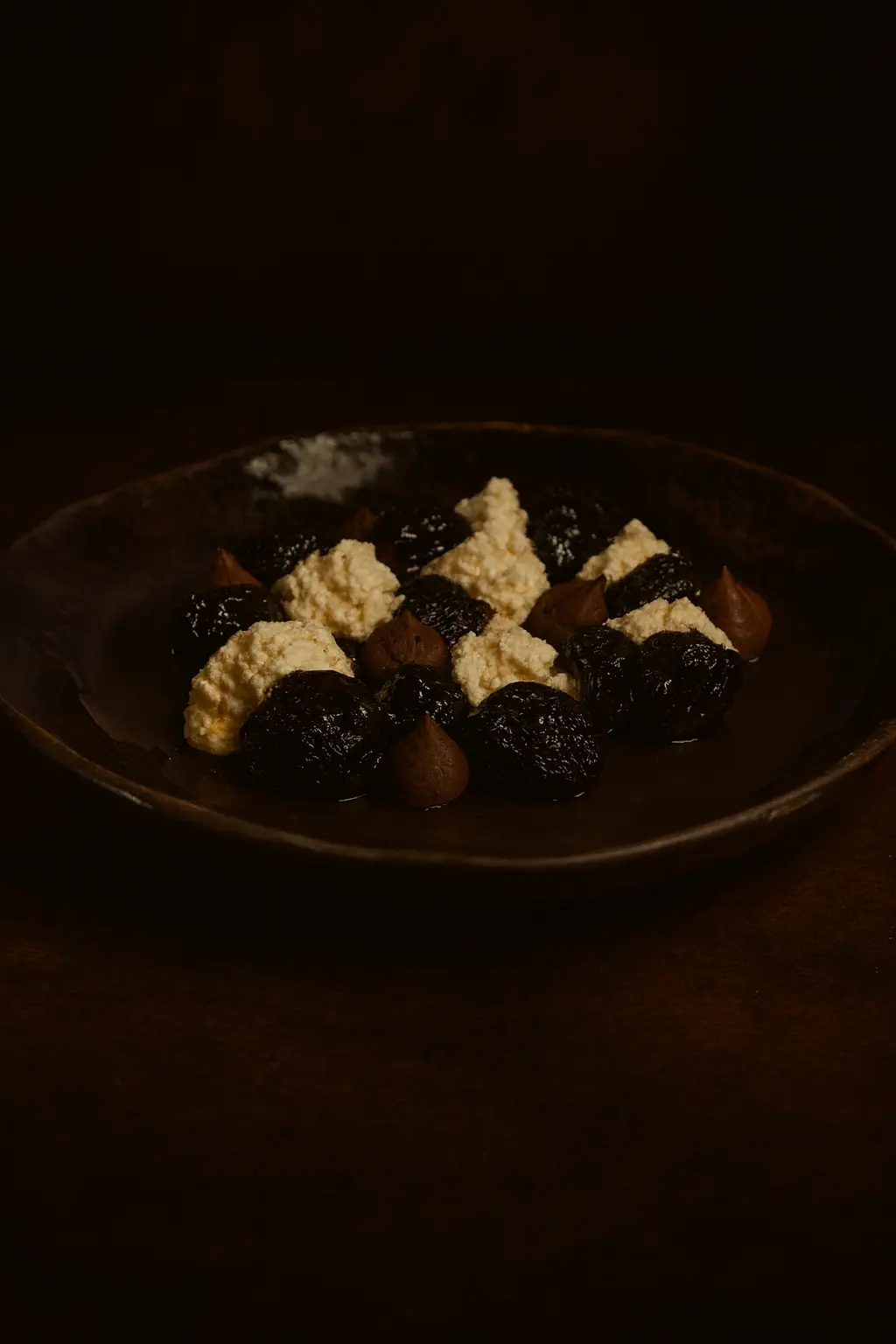
Chișinăul de seară

Dried plum boiled in red wine, stuffed with walnuts, usually served with sout cream and chocolate.

Wine of Moldova

85%
of wine production is exported
#1
in the world for the highest vineyard density per capita
#15
largest wine exporter in the world
75+
export destinations
Read more
Located in Moldova, Mileștii Mici is the world’s largest wine cellar, housing over 1.5 million bottles within a massive 200-kilometer limestone labyrinth. This "underground city" maintains a perfect natural climate for its prestigious Golden Collection, with streets named after wine varietals that visitors navigate by car. It holds the Guinness World Record not just for its vast storage, but for the sheer scale of its subterranean heritage.
Read more
Cricova is a legendary "underground wine city" in Moldova, featuring a labyrinth of over 70 kilometers of galleries carved into natural limestone. Renowned for its massive collection of rare vintages and its traditional method of sparkling wine production, the cellar functions as a subterranean network with streets named after wine types. It is famously home to the "National Collection", which includes unique historical bottles like the 1902 Jerusalem Easter wine.
Read more
National Wine Day is Moldova’s largest cultural festival, held every October to honor its 5,000-year winemaking history. Celebrating its 24th edition in 2025, the event gathers over 100 wineries in Chișinău for a weekend of tastings, folk music, and traditional crafts. It remains the nation’s ultimate tribute to its identity as a world-class wine producer.
Read more

Moldova brand toolkit:
discover the symbols of a nation

Other toolkit materials

Beyond symbols the toolkit shares Moldova’s heritage creativity and spirit revealing a small nation with a vast cultural soul.
Read more

Brand in use

See how Moldova’s national brand is applied on products, events, and promotions, showcasing its identity in real life.
Read more
crossmenuchevron-right